Delivers up to 4,000 PSI with the flow volume mains require.
Hydro Jetting in Fort Bend - Pipes Scoured Back to the Wall
Hydro jetting in Fort Bend County uses water at up to 4,000 PSI to strip grease, scale and root hairs from the full pipe wall. Call (281) 555-0147 if your line keeps re-clogging after ordinary clearing.
Serving Sugar Land and nearby areas.
How fouled is the line?
Heavy build-up
Thick grease, scale or roots along most of the line.
- 1. Light build-up Thin grease or sludge in one run, cleared in one pass.
- 2. Heavy build-up Thick grease, scale or roots along most of the line.
- 3. Damaged line Cracks or bellies found on camera, planned in writing first.
Drag the needle to compareTouch and drag the needle
- 19Services from one local team
- 6Areas served around Sugar Land
- Camera firstLine condition checked before pressure is applied
- Filmed afterClean bore shown on camera at the end
What a Jetting Visit Includes
Camera verification, pressure matched to your pipe, a full scouring pass and a second filming. Repairs the footage reveals are quoted separately.

Work order
Hydro Jetting- Pre-jet camera check: The line is filmed first to confirm it can take pressure safely.
- Matched nozzle and pressure: Settings follow material and condition: clay, cast iron or PVC.
- Full-wall scouring: Jets strip grease, scale and root hairs along the whole run.
- After footage: A second filming proves the clean and documents any defects.
Jetting at Fort Bend homes
Repeat clogs in houses with older or long drain runs.
Clay mains
Root masses shredded at the joints oaks invade.
Kitchen runs
Sludge and grease stripped from flat lines.
Cast-iron lines
Rust scale knocked back to widen the bore.
Long sewers
Full runs scoured from cleanout to street.
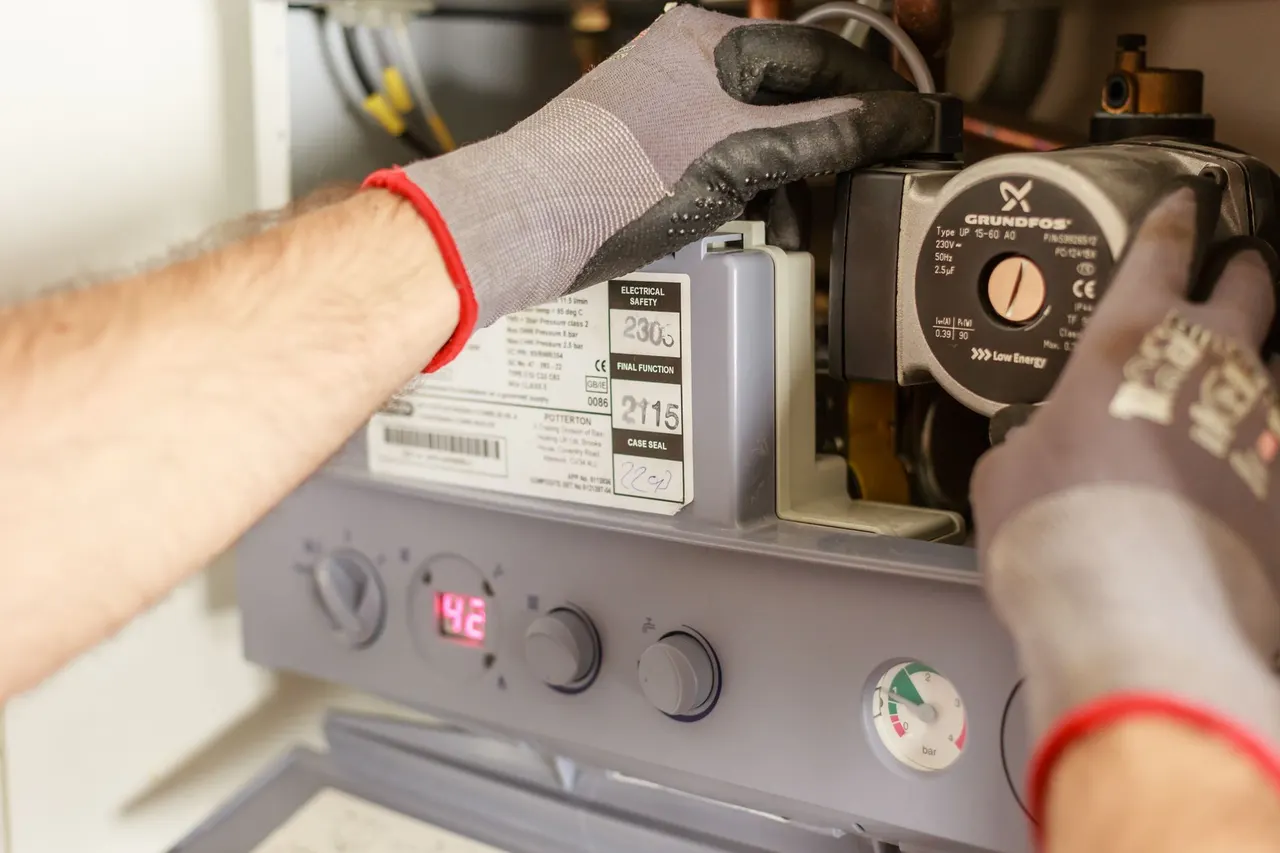
Jetting at business properties
Grease and heavy-use lines that cannot afford backups.
Restaurants
Grease runs scoured on a planned rhythm.
Food prep sites
Floor drains and mains kept clear of fats.
Retail centres
Shared lines jetted outside trading hours.
Scouring, Not Just Clearing
Cabling opens a hole in a clog. Scouring removes the clog from the wall, which is why a jetted line stays clear long after a cabled one blocks again.
Hydro jetting in Fort Bend County is a high-pressure cleaning method that sends a rotating nozzle through a sewer or drain line, cutting roots and blasting deposits off the wall in one pass. A cable opens a path. Jetting restores the pipe.
Restaurants along the Stafford corridor load lines with fats that cable cutters only groove. Older Richmond cast iron sheds rust scale that narrows the bore year by year. Long flat runs in newer Katy homes collect sludge in low spots. These are jetting problems, not cable problems.

- What it is
- High-pressure water scouring of drain and sewer walls.
- When it helps
- Repeat clogs, grease, roots and heavy scale build-up.
- What you get
- A clean bore, flushed debris and footage of both.
How a Jetting Visit Runs
Scouring follows clearing logic, with a camera check first to protect fragile pipe.
Jetting Equipment Explained
Each method answers a different question. Together they leave very little to guess.

Spins jets across the full wall for even scouring.
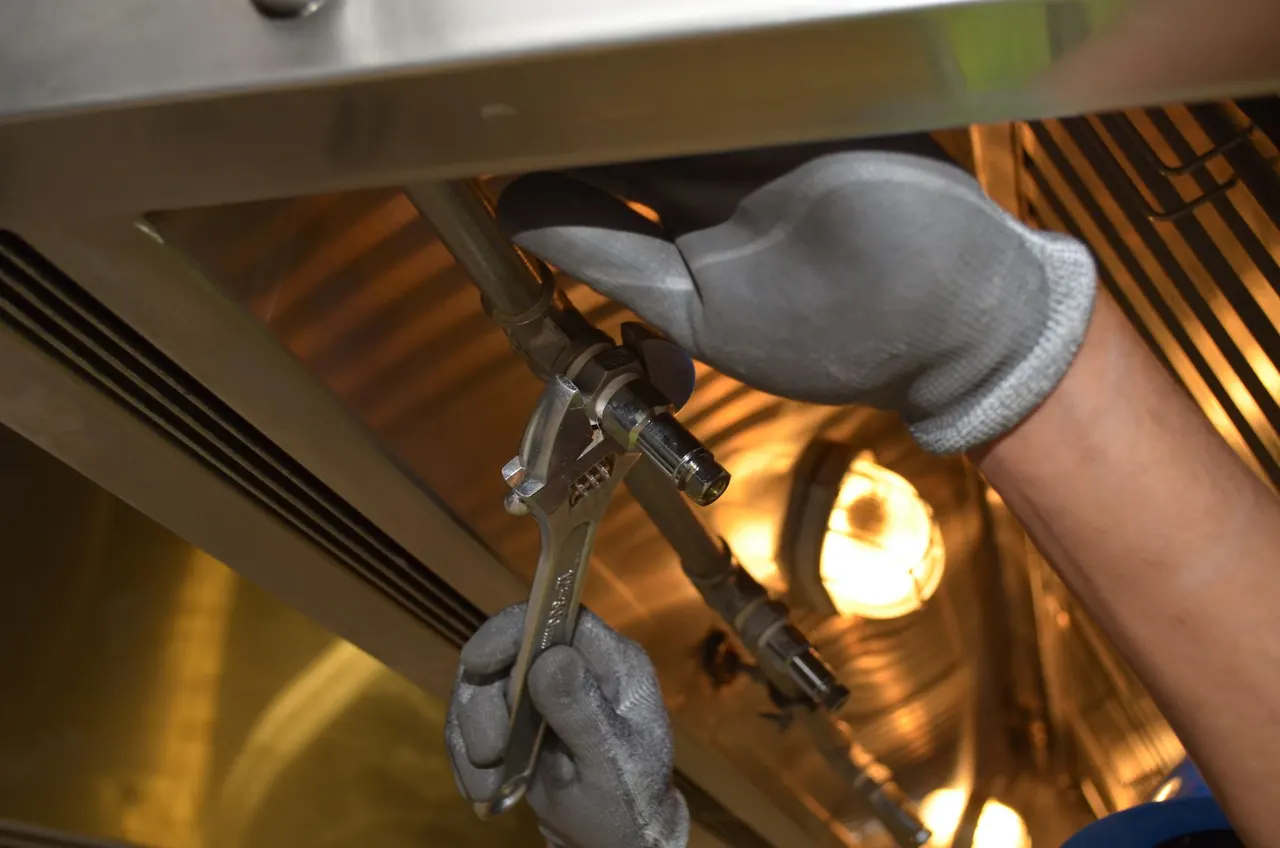
Concentrates streams to shred root masses at joints.
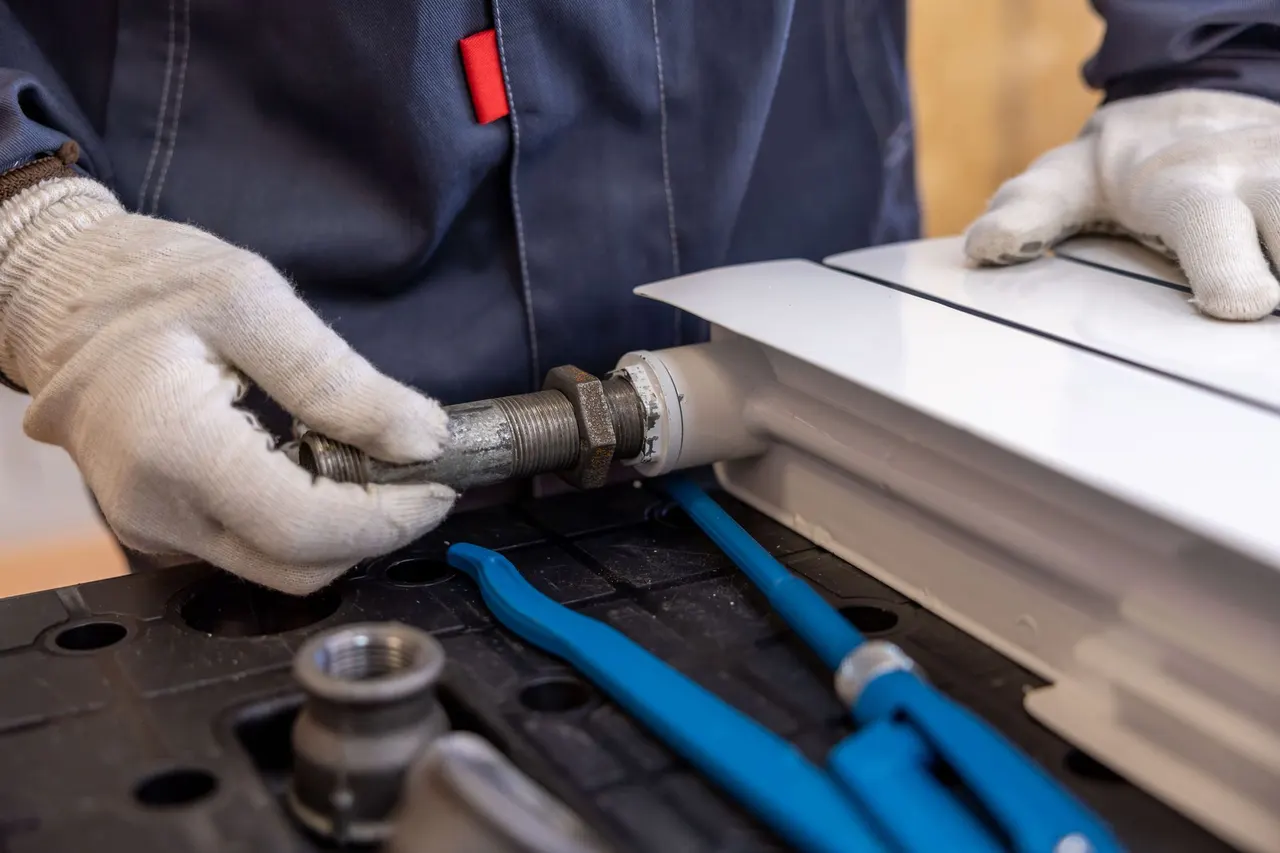
Films before and after so pressure and results are verified.
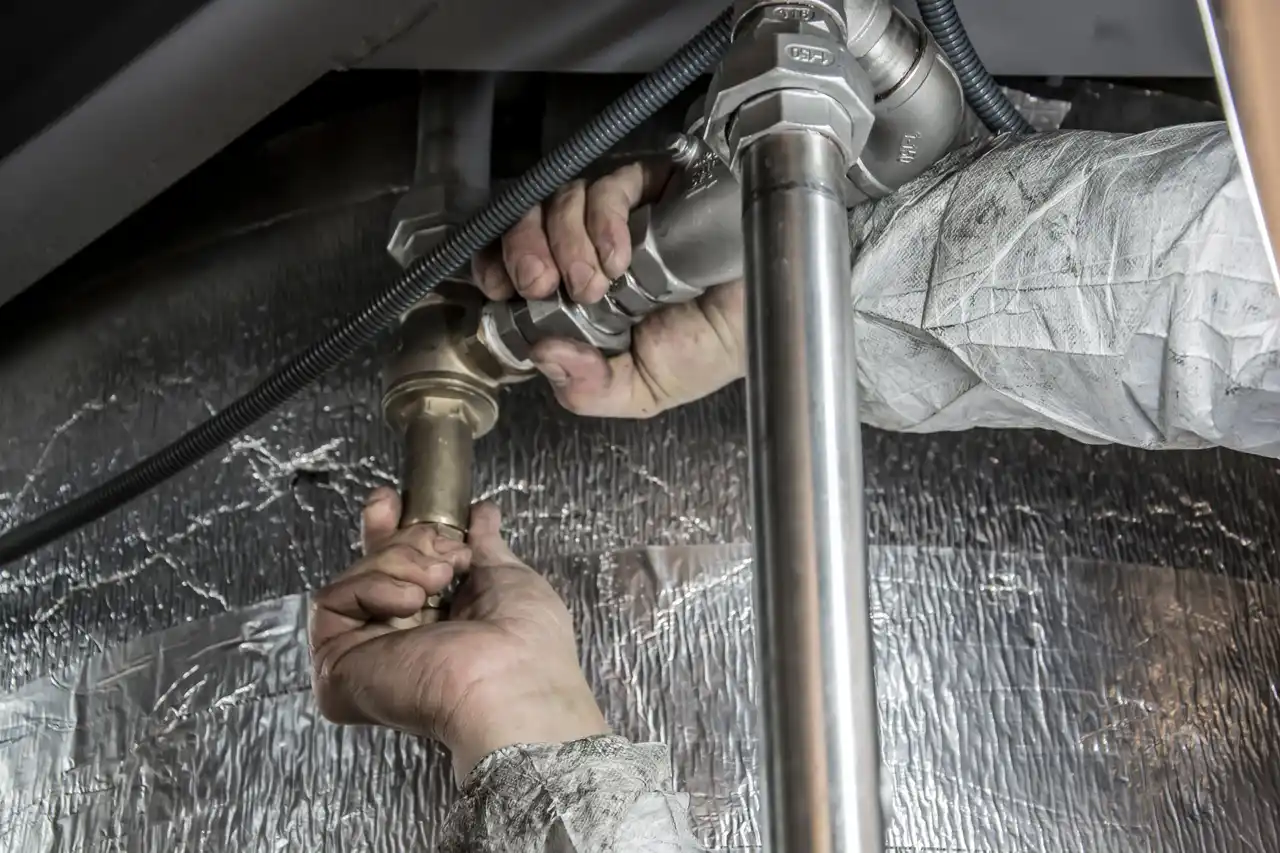
Fragile or collapsed sections are found before any jet enters the line.
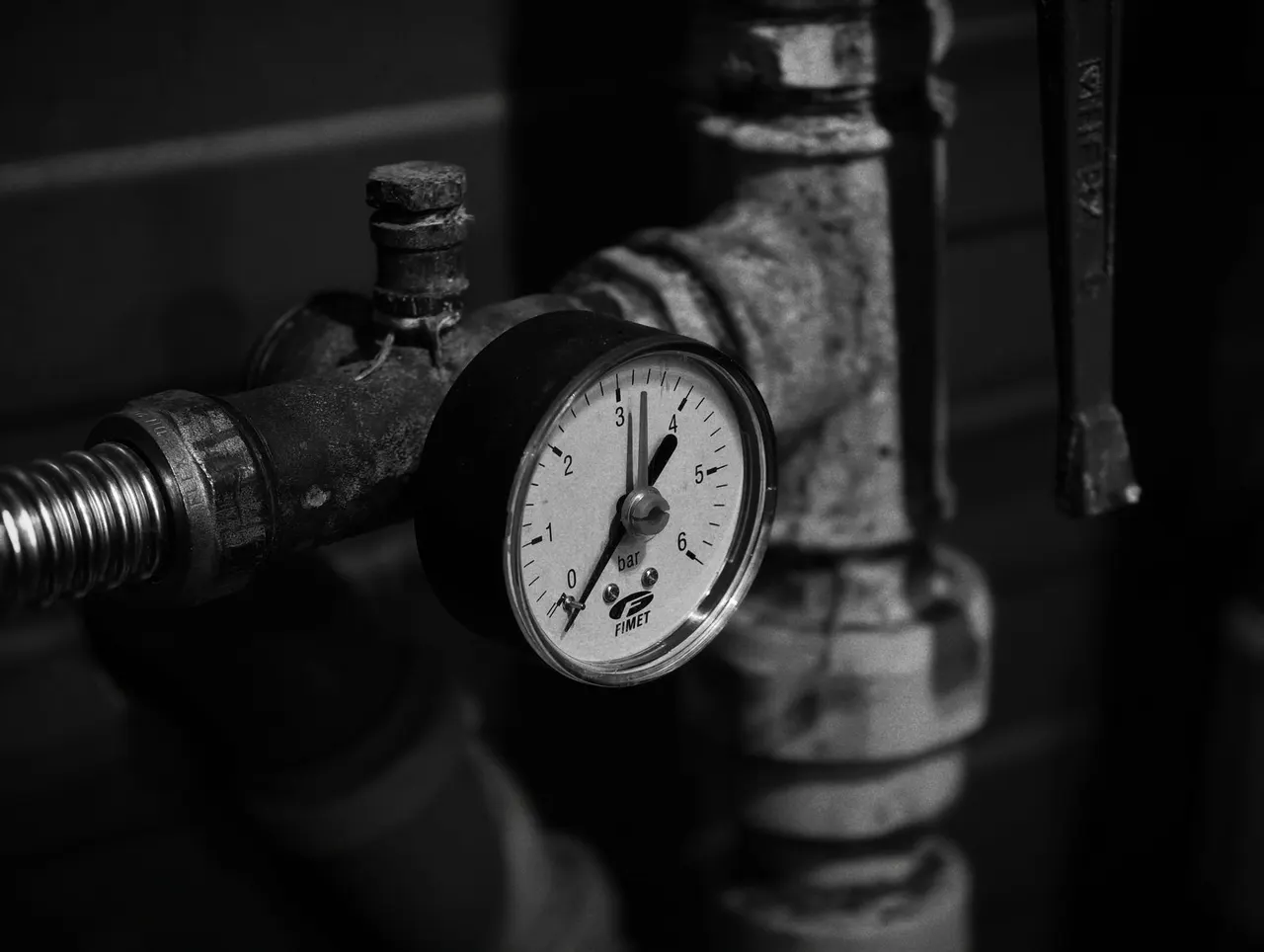
When Jetting Is the Right Call
A Stafford restaurant clears its line every two months and still backs up.
The grease run is jetted wall-to-wall and placed on a twice-yearly scouring rhythm.
BusinessesA Richmond home clay main clogs each spring with root growth.
Roots are jetted out and the joint filmed to plan a lasting spot repair.
HomesA Katy home long kitchen run drains slowly despite two cable visits.
Jetting removes the sludge settled in the flat run low spots.
Homes
Jetting Work Around Fort Bend
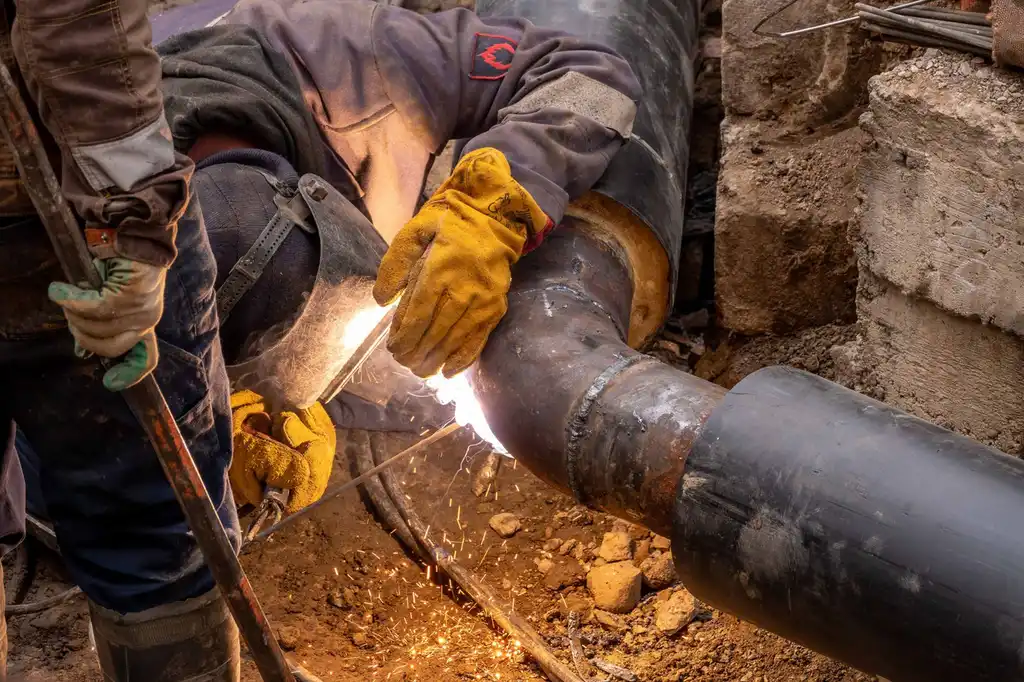
Jetting demand clusters in two Fort Bend settings. Stafford restaurant rows and Richmond older streets carry grease and roots that cabling cannot finish. Meanwhile Sugar Land and Katy homes built with long, flat kitchen runs collect sludge that only scouring shifts.
Stafford corridor
Restaurant grease lines are the county steadiest jetting work.
Old Richmond
Clay tile joints and mature oaks mean annual root growth.
Cinco Ranch
Long kitchen runs in big homes collect sludge in low spots.
- Stafford corridor
- Old Richmond
- Cinco Ranch
From problem to finished result.
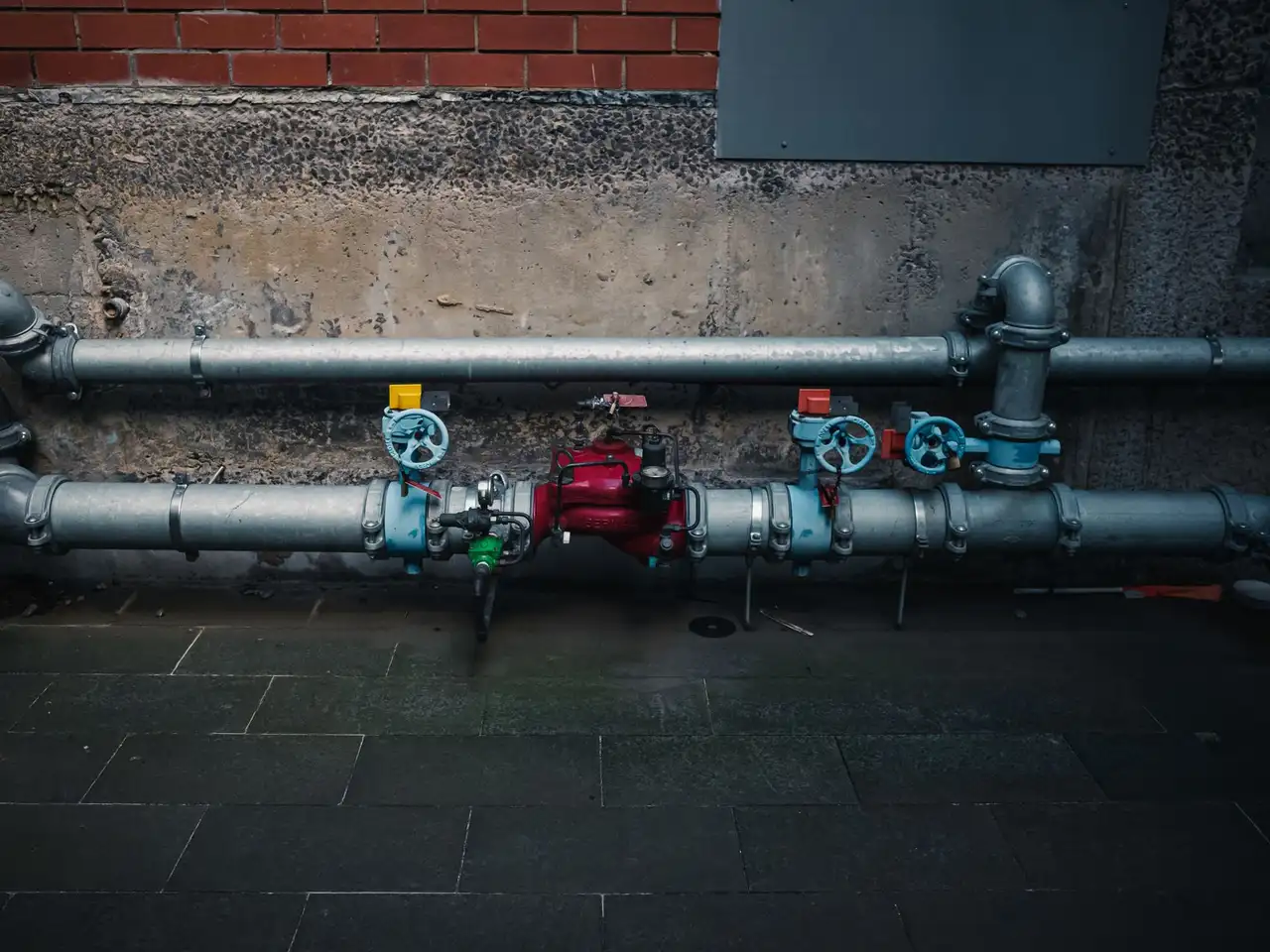
Slide to compare the photo with an illustrative inspection view. It is generated from the photo, not a measurement.
 Photo
Stafford Restaurant Grease Line
Before: Backups every few weeks closed the dish pit during dinner service.
After: Scoured wall-to-wall; the line drained freely through a full service afterwards.
Richmond Root Mass
Before: Spring roots blocked the main and filled the guest tub with sewage.
After: Roots shredded and flushed; footage showed one open joint to repair.
Katy Kitchen Sludge Run
Before: Dishwasher water rose in the sink despite two cable clearings.
After: Jetting cleared the settled sludge; both fixtures now drain together.
Build-Up a Cable Cannot Fix
These line conditions are why scouring exists. A cable only grooves through them.
Grease coating a restaurant or kitchen line wall-to-wall
Cabling opens a channel that reseals within weeks as grease cools and spreads.
Root hairs filling a clay sewer joint
Hairs catch paper and solids, rebuilding a clog soon after each cutting.
Rust scale narrowing old cast-iron pipe
The bore shrinks yearly until even water alone drains slowly. A descaling nozzle knocks scale loose and flushes it out, restoring most of the original bore.
What Scouring Does Better
On the right line, one scouring pass outlasts several ordinary cable visits.
Wall-to-wall clean
Jets strip the full circumference, so grease and scale leave nothing behind for the next clog to build on.
Roots shredded
High-pressure streams cut root hairs and flush the fragments out, instead of leaving a trimmed mass to regrow.
No chemicals, no digging
Water does the work through a cleanout. Sound pipes come clean without excavation or a single chemical poured.
Camera-ready line
A scoured line shows its true condition on camera, so repair decisions rest on a clear picture.
What Scouring a Line Costs
Compare every range at /plumbing-cost/.
Included
Quoted after a first look
- Pre-jet camera check
- Matched nozzle and pressure
- Full-wall scouring
- After footage
What changes the scope
Quoted after a first look
- Line length and size
- Build-up severity
- Camera verification
- Access
Pressure Matched to Pipe
Partners jet the county pipe mix in full: fragile clay tile in old Richmond, scaled cast iron in Rosenberg, PVC in Sugar Land and Fulshear builds.
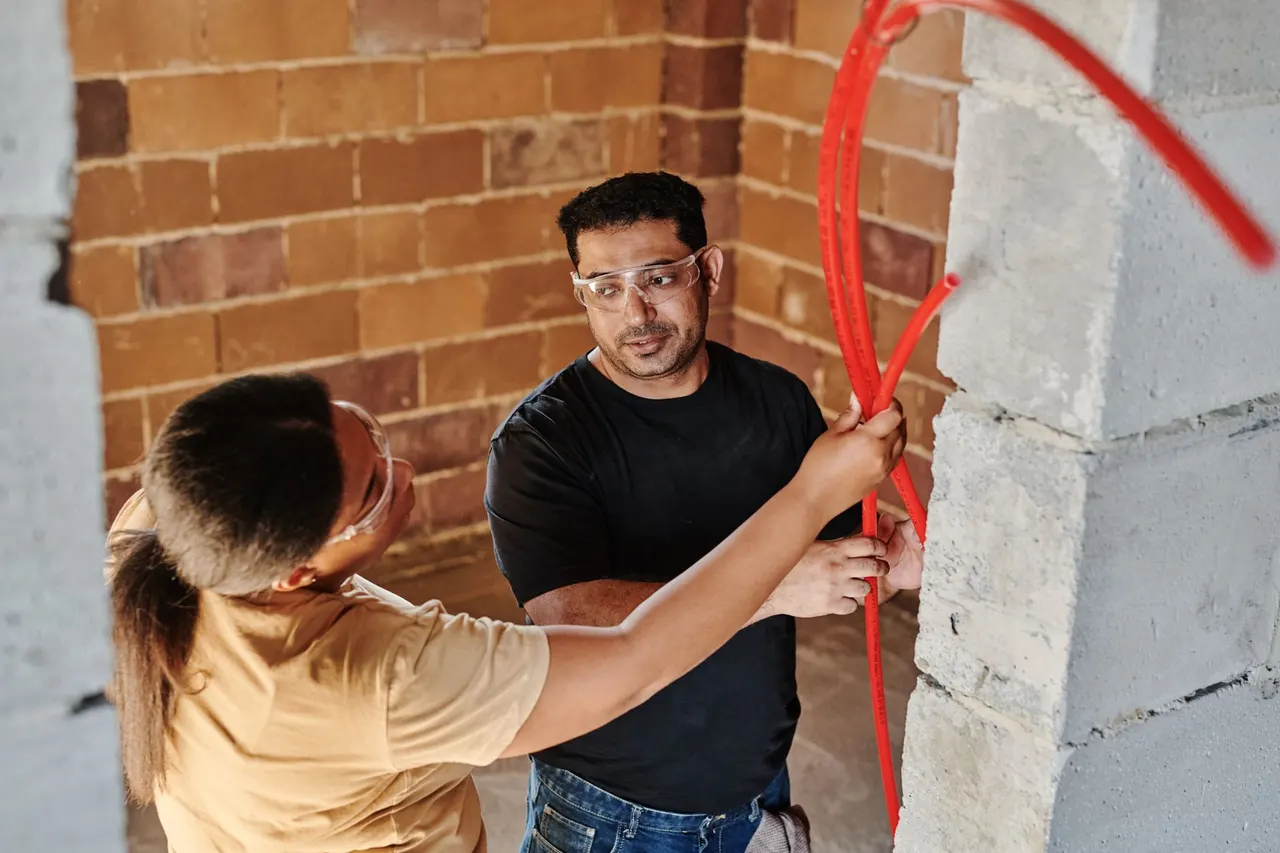
Camera picture
Footage shows whether the pipe can take full pressure safely.
Debris flushed
What washes out confirms grease, scale or roots as the cause.
Flow recovery
Drain speed after scouring shows how much bore was restored.
Frequently Asked Questions
Short answers for the first few minutes. The team can cover the rest.
Still have a question?
Describe what you are seeing and we will point you to the right next step.
(281) 555-0147For a first-time soft clog, cabling is cheaper and enough. Jetting wins on repeat clogs, heavy grease, root hairs and scale, because it cleans the whole wall instead of opening a channel. Compare both at /drain-cleaning/.
On sound pipe, no: pressure is matched to the material. On collapsed or paper-thin cast iron, jetting can worsen damage, which is why a camera inspection comes first and fragile sections are repaired instead.
Busy kitchens in the Stafford corridor usually jet every 6-12 months, matched to grease-interceptor servicing. Homes rarely need a schedule; one scouring after years of repeat clogs is the common pattern.
Jetting shreds root hairs and flushes fragments out, restoring full flow. Roots regrow through open joints over time, so footage after jetting shows whether a spot repair will end the cycle for good.
Related Services
- Sewer Line RepairGumbo clay shifts, mature oak roots and ageing cast iron give Fort Bend sewers a hard life.
- Leak DetectionElectronic and acoustic listening gear traces hidden leaks through slabs, walls and yards without opening anything up first.
- Slab Leak RepairA leak under a post-tension slab is the county's signature big repair, and it shows up as warm…

Same Clog, Third Time This Year?
(281) 555-0147That line needs scouring, not another cable pass. Call (281) 555-0147 for a camera check, a flat jetting quote and before-and-after footage of your own pipe.
Talk to a Local Dispatcher
Calling beats forms here. When you ring (281) 555-0147, have your city, the fixture or line involved, and when the problem started ready, and a dispatcher will match you with a partner covering your street.