A self-leveling camera head with a sonde transmitter records the pipe interior and lets the surface locator mark each defect's position and depth.
Sewer Repair That Fixes the Break, Not Just the Backup
Sewage backing into a tub or bubbling up in the yard means the underground line has failed, not just clogged. Call (281) 555-0147 and describe what you are seeing.
Serving Sugar Land and nearby areas.
How big is the sewer job?
Partial run
Several bad sections renewed between the house and the street
- 1. Single section One cracked joint or root entry replaced through a single trench
- 2. Partial run Several bad sections renewed between the house and the street
- 3. Full replacement Entire line replaced and planned in writing before digging
Drag the needle to compareTouch and drag the needle
What a Sewer Job Includes
The quoted scope covers finding the failure, replacing the damaged pipe, and proving the line works.
Work order
Sewer Line Repair- Full Camera Run: The camera travels from the cleanout to the city main and records every defect with depth and distance readings, so the quote rests on footage rather than symptoms.
- Targeted Excavation: Crews dig at the marked defect only, with utility lines located first and shoring used on deep trenches, keeping the rest of your yard and driveway untouched.
- New Pipe Section: Failed cast iron, clay, or PVC is replaced with new PVC set on compacted bedding at proper grade, with sealed joints roots cannot enter.
- Flow Test and Footage: The finished line is tested under full flow and re-filmed. You keep the before and after recordings along with the written quote and invoice.
- Compacted Backfill: Soil returns in compacted lifts with the surface graded to shed water, reducing the sunken trench line that often appears after amateur backfill jobs.
What Sewer Work Actually Involves
A sewer pipe either carries waste away cleanly or it does not. Filming the line, replacing only what has failed, and testing the result turns a recurring emergency into a finished job.
Sewer line repair is the excavation-based work that fixes a damaged section of the pipe carrying waste from a house to the city main. A technician runs a camera through the cleanout to locate cracks, root masses, bellies, or a collapsed joint, marks the exact spot on your lawn, digs only there, replaces the bad section, and tests the full run before backfilling.
Fort Bend County soil makes this a recurring job. Expansive gumbo clay swells when wet and shrinks in summer drought, flexing buried pipe until joints separate or a low belly forms where solids settle. Older homes in Richmond, Rosenberg, and Stafford still drain through cast iron or clay tile that tree roots crack open, while newer builds in Katy and Sugar Land usually fail at a single fitting instead.
- What it is
- Excavation and replacement of damaged underground waste pipe
- When it helps
- When backups repeat or sewage surfaces in the yard
- What you get
- Camera footage, a flat quote, and a tested new section
How a Sewer Job Runs
Every job follows the same order: locate the failure on camera, quote it flat, dig once, replace the section, and prove the line runs clear.
Equipment Behind the Work
Each method answers a different question. Together they leave very little to guess.
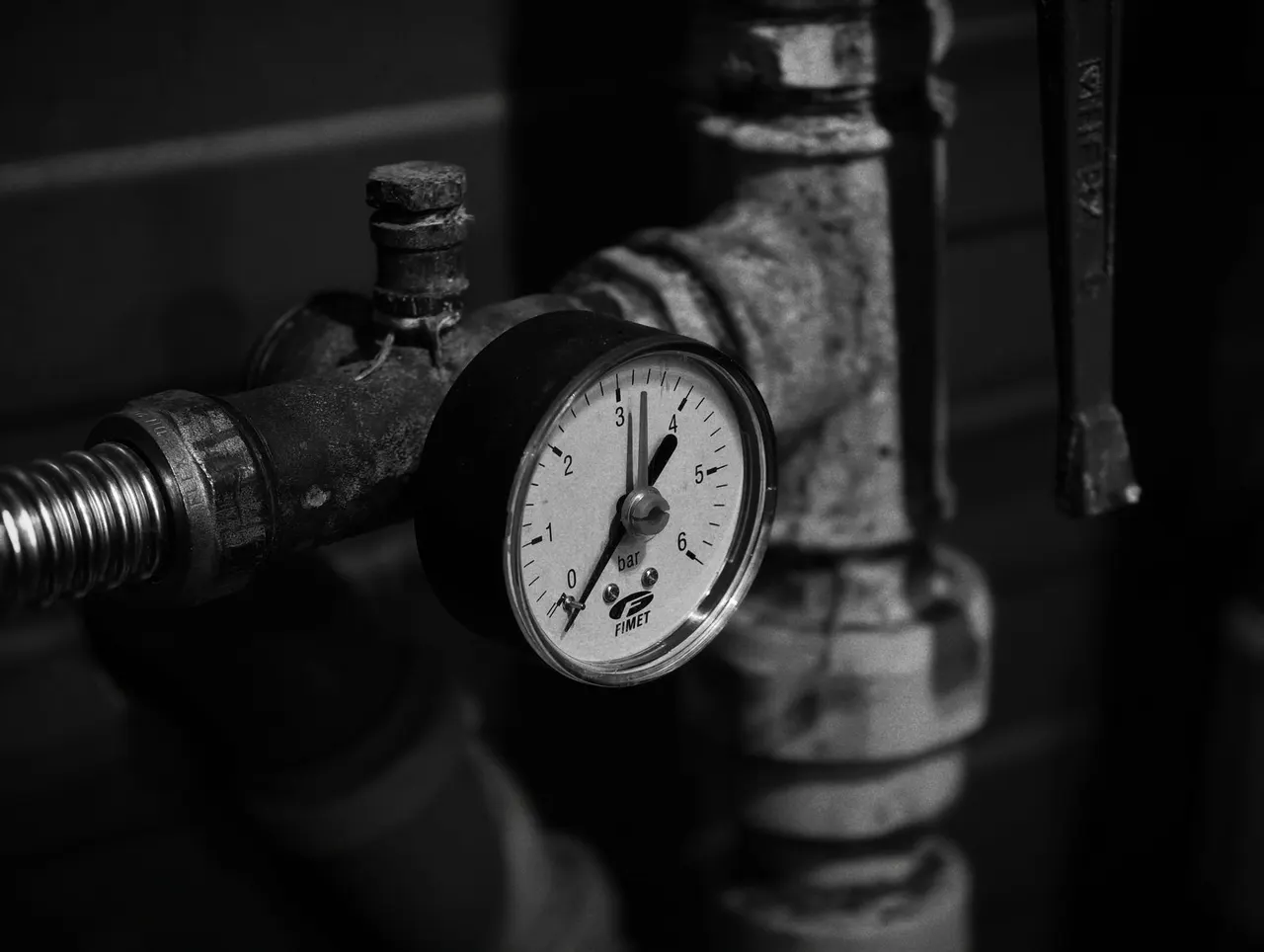
Reads the camera sonde from above ground, converting the underground picture into a paint mark and depth number the digging crew can trust.
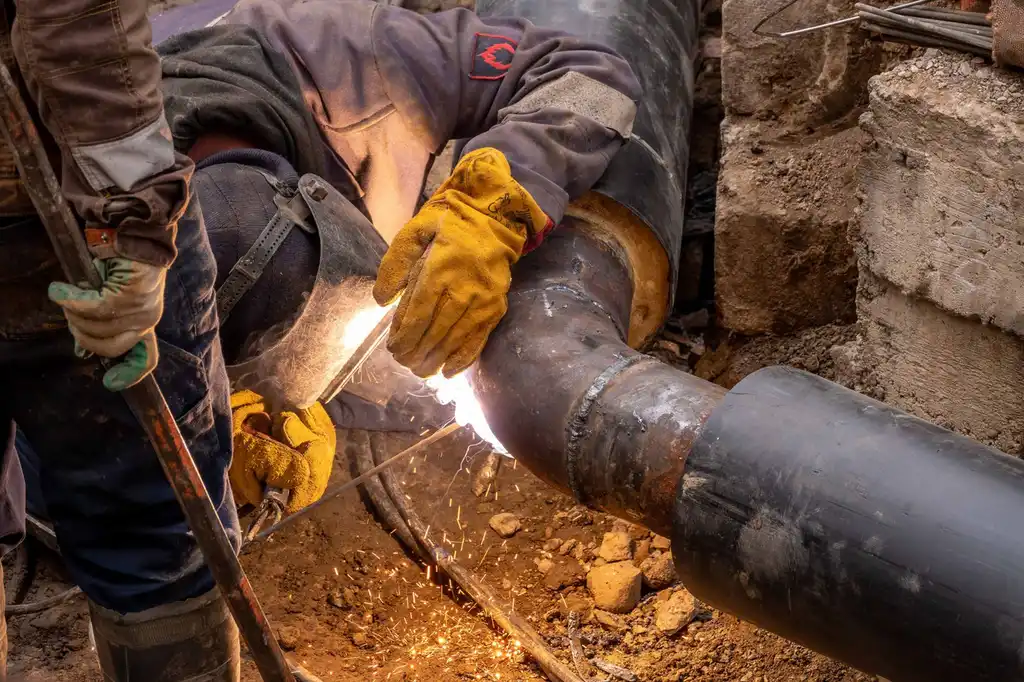
Compact digging equipment sized for residential lots reaches typical four to eight foot depths without tearing a wide path across the yard.
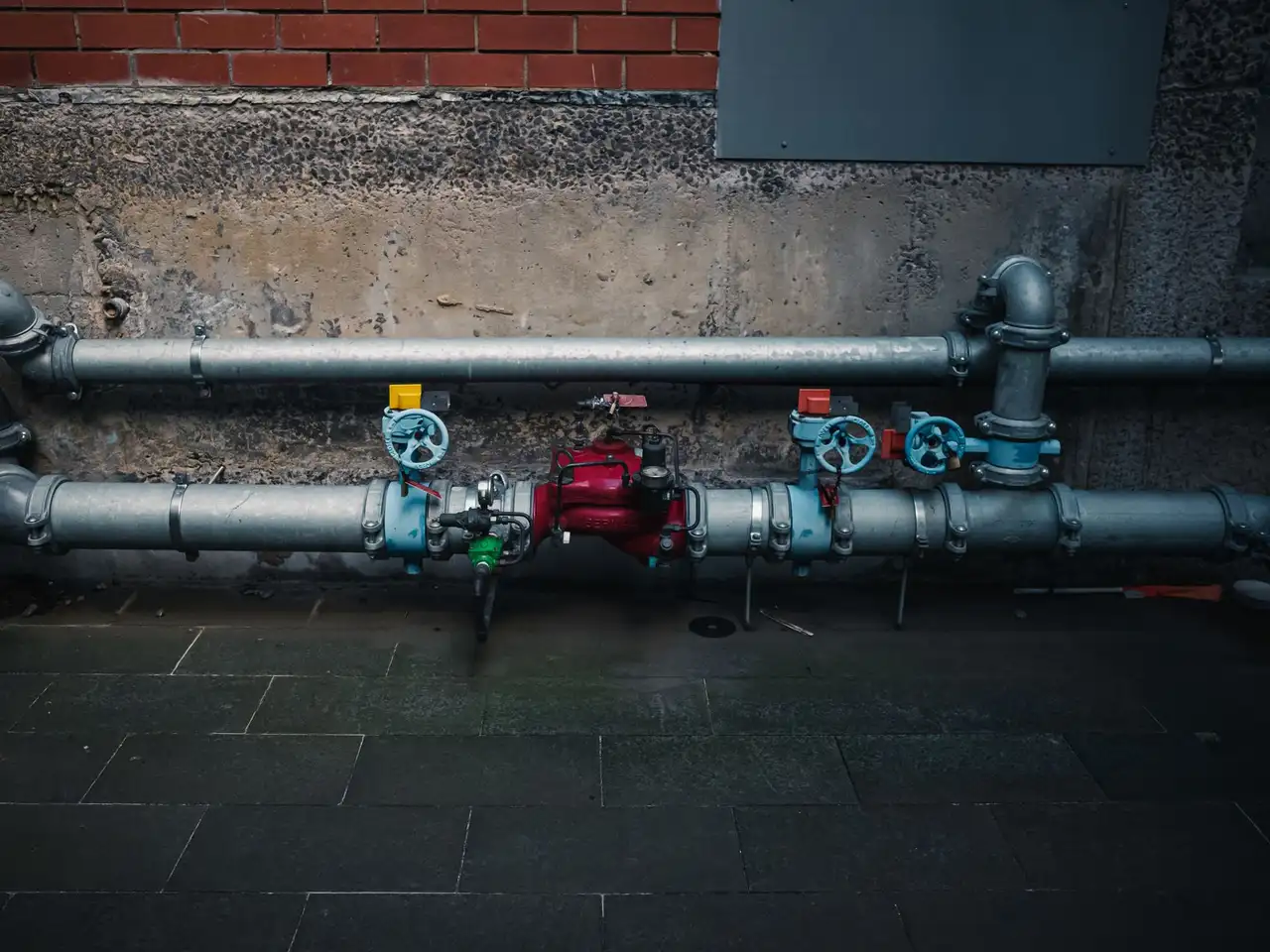
High-pressure water scours grease and root hairs ahead of the camera so structural damage is visible instead of hidden behind buildup.
Shoring boxes and sloping keep deep trenches safe in loose or saturated soil, a real concern in low-lying parts of Fort Bend County.
How Sewer Work Runs in Fort Bend County
Fort Bend County, Texas lots hide two very different sewer systems.
First Colony, Sugar Land
Mature oaks over 1980s PVC and cast iron produce steady root calls; locator-guided spot digs protect the tree canopy homeowners value.
Historic Richmond
Clay tile laterals near the old town core often need partial replacement rather than another cleaning, and lots allow good machine access.
Cinco Ranch, Katy
Newer PVC lines fail mostly at single fittings shifted by soil movement, so most jobs here are true one-day spot excavations.
- First Colony, Sugar Land
- Historic Richmond
- Cinco Ranch, Katy
- Sienna, Missouri City
Every drain in the house backs up at the same time
Simultaneous backups mean the main line is blocked or collapsed. Continued use forces sewage out of the lowest tub or shower in the home.
Roots keep returning months after each cleaning
Root masses regrow through the same joint or crack, and each cycle lets the opening widen until the pipe deforms and catches solids permanently.
A soggy, foul-smelling patch sits over the line
Effluent escaping underground erodes soil, can undermine nearby concrete, and draws pests. Left alone, the void grows until the surface sinks or caves.
The line bellies and holds standing water
A sagging section traps water and solids after every use, causing slow drains and repeat clogs that worsen as the belly deepens in shifting clay.
Outcomes of Fixing the Pipe Itself
Clearing a clog buys weeks. Replacing the damaged section removes the reason the clog kept forming, and the camera record proves what was done underground.
Backups Stop Returning
A line that backs up every few months usually has a belly, offset joint, or root entry that a cable cannot cure.
One Dig, Right Spot
The camera and locator pinpoint damage within inches before soil is disturbed.
Proof Before You Pay
You watch the live camera feed and see the crack or root ball yourself, then get a post-fix recording of the new section running…
Yard and Home Protected
Raw sewage surfacing in a yard or wicking under a slab is a health problem, not just a smell.
What Sewer Work Costs in 2026
You approve one flat quote after seeing the footage; the full county table sits at /plumbing-cost/.
Included
Quoted after a first look
- Full Camera Run
- Targeted Excavation
- New Pipe Section
- Flow Test and Footage
What changes the scope
Quoted after a first look
- Depth of the pipe
- Length of failed pipe
- Surface above the line
- Pipe material and era
Frequently Asked Questions
Short answers for the first few minutes. The team can cover the rest.
A spot fix runs $1,500-$7,500 and a full replacement $3,500-$10,000+ in 2026 pricing. Depth, pipe length, and surface restoration drive the spread. You receive one flat quote after the camera inspection, before digging begins. See the full breakdown at /plumbing-cost/.
Multiple drains backing up at once, gurgling toilets, sewage odor in the yard, and unusually lush or soggy patches of lawn are the classic signs. One slow sink is usually a branch clog instead. A camera inspection confirms which problem you have.
Roots can be cut out by cable or jetting for temporary relief, but they regrow through the same crack, often within a year. Replacing the cracked section with sealed PVC removes the entry point permanently, which is why repeat root calls usually end in a dig.
Most spot jobs finish in one day once the camera locates the damage. The dig, pipe swap, and flow test usually take four to eight hours. Full replacements across long or deep lots commonly run two to three days including backfill and compaction.
No. The locator marks the defect within inches, so crews open one trench over the damaged section rather than trenching the entire run. Sod is cut and set aside where possible, and the trench is backfilled in compacted lifts to limit settling.
Related Services
- Leak DetectionElectronic and acoustic listening gear traces hidden leaks through slabs, walls and yards without opening anything up first.
- Slab Leak RepairA leak under a post-tension slab is the county's signature big repair, and it shows up as warm…
- Water Line RepairLow pressure across the whole house, a soggy strip of yard or a meter spinning with every tap…
Sewage Backing Up? Get a Camera in the Line
(281) 555-0147Fort Bend Plumbing answers day and night across the county. Call (281) 555-0147 now.