Listening equipment fixes the leak position through concrete by the sound of pressurized water escaping, narrowing the opening to a small area.
Under-Slab Leak Fixes That Protect Your Foundation
A warm patch of floor, a meter that never sits still, or pressure fading across the house can mean pressurized water escaping beneath your post-tension slab. Call (281) 555-0147 to start.
Serving Sugar Land and nearby areas.
How big is the under-slab job?
Line reroute
Failed run abandoned and replaced through walls or attic
- 1. Direct repair One leak reached through a single scanned opening in the slab
- 2. Line reroute Failed run abandoned and replaced through walls or attic
- 3. Multiple lines Several failing runs renewed as one planned project in writing
Drag the needle to compareTouch and drag the needle
What an Under-Slab Job Includes
The scope covers proving the leak, reaching it safely, and verifying the fix.
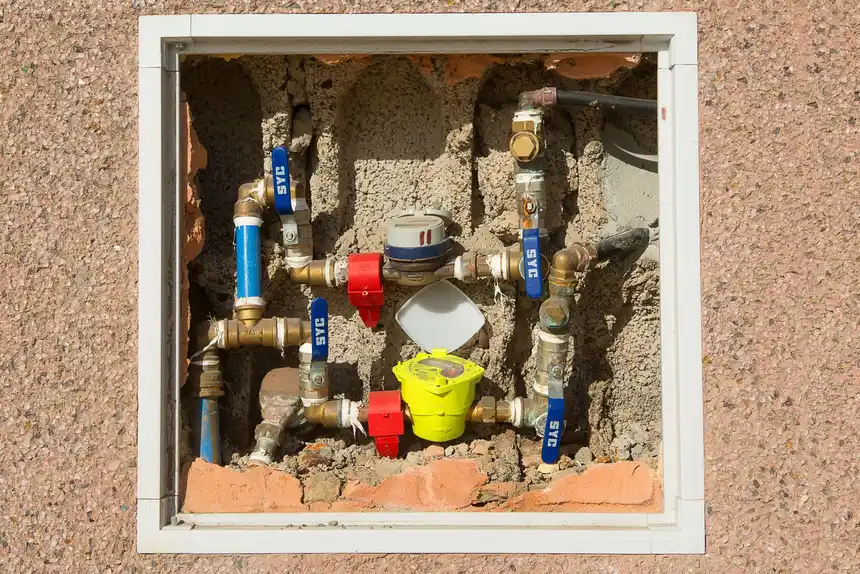
Work order
Slab Leak Repair- Proof Testing: Meter checks, system isolation, and gauge readings establish that pressurized water is escaping beneath the foundation, and measure how fast, before a repair path is proposed.
- Acoustic Pinpointing: Sound and heat tracing fix the leak's position through the slab, so a direct opening is small and planned rather than a search conducted with a jackhammer.
- Cable Scan: Any concrete opening is preceded by a tendon scan, and the cut is placed to avoid the cables that hold the post-tension slab together.
- Both Options Quoted: You receive both prices where both apply: the direct fix through the slab and the overhead reroute, each flat, with the reasoning for our recommendation stated plainly.
- Pressure Retest: The repaired or rerouted system is pressurized and watched after the work, and the readings are recorded on your invoice as proof the loss has stopped.
What Under-Slab Repair Involves
Water under a foundation is a soil problem as much as a pipe problem. Proving the leak, choosing cut or reroute from the evidence, and retesting the result keeps both the plumbing and the slab sound.
Slab leak repair is the specialist work of fixing a pressurized water line that is leaking beneath a home's concrete foundation, either by opening the slab at the pinpointed leak or by rerouting the line overhead. It begins with isolation and pressure testing to prove the loss is under the slab, then acoustic locating to fix its position before any concrete is cut or any new pipe is pulled.
Fort Bend homes make this repair common. Post-tension slabs sit on gumbo clay that swells and shrinks with the weather, stressing the copper and PEX lines buried below, while hard water pits older copper from the inside. The result is the county's signature big plumbing job, and the one where the choice between direct access and a reroute matters most to cost and to the foundation itself. Because the pipes are hidden, the discipline never changes: prove the loss, pinpoint it, then choose the least invasive fix the evidence supports.
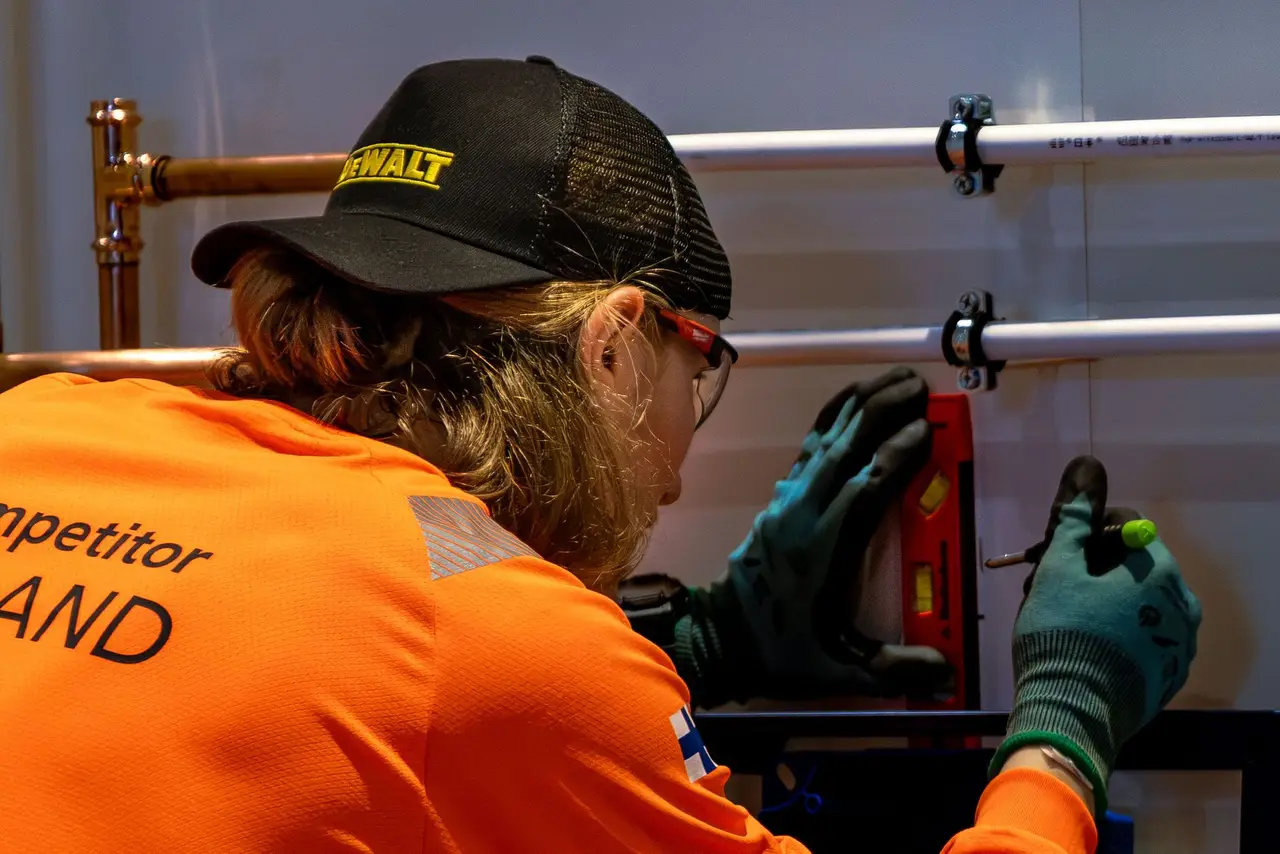
- What it is
- Repair or rerouting of pressurized lines leaking beneath the foundation
- When it helps
- When pressure testing proves water is escaping under the slab
- What you get
- A tested repair or new overhead line and retest readings
How an Under-Slab Job Runs
The sequence protects the foundation at every step: prove the leak is under the slab, pinpoint it, scan for cables, then repair directly or reroute, and…
Methods for Under-Slab Work
Each method answers a different question. Together they leave very little to guess.

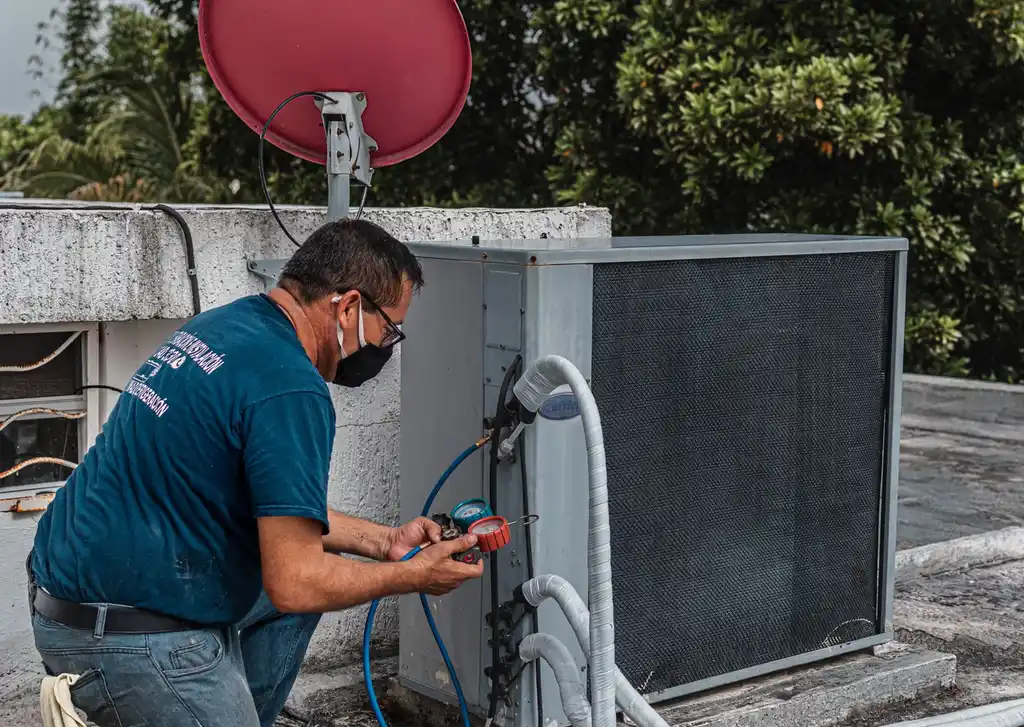
Gauges and shutoffs separate house, yard, and irrigation systems so testing proves the loss is under the slab before quoting.
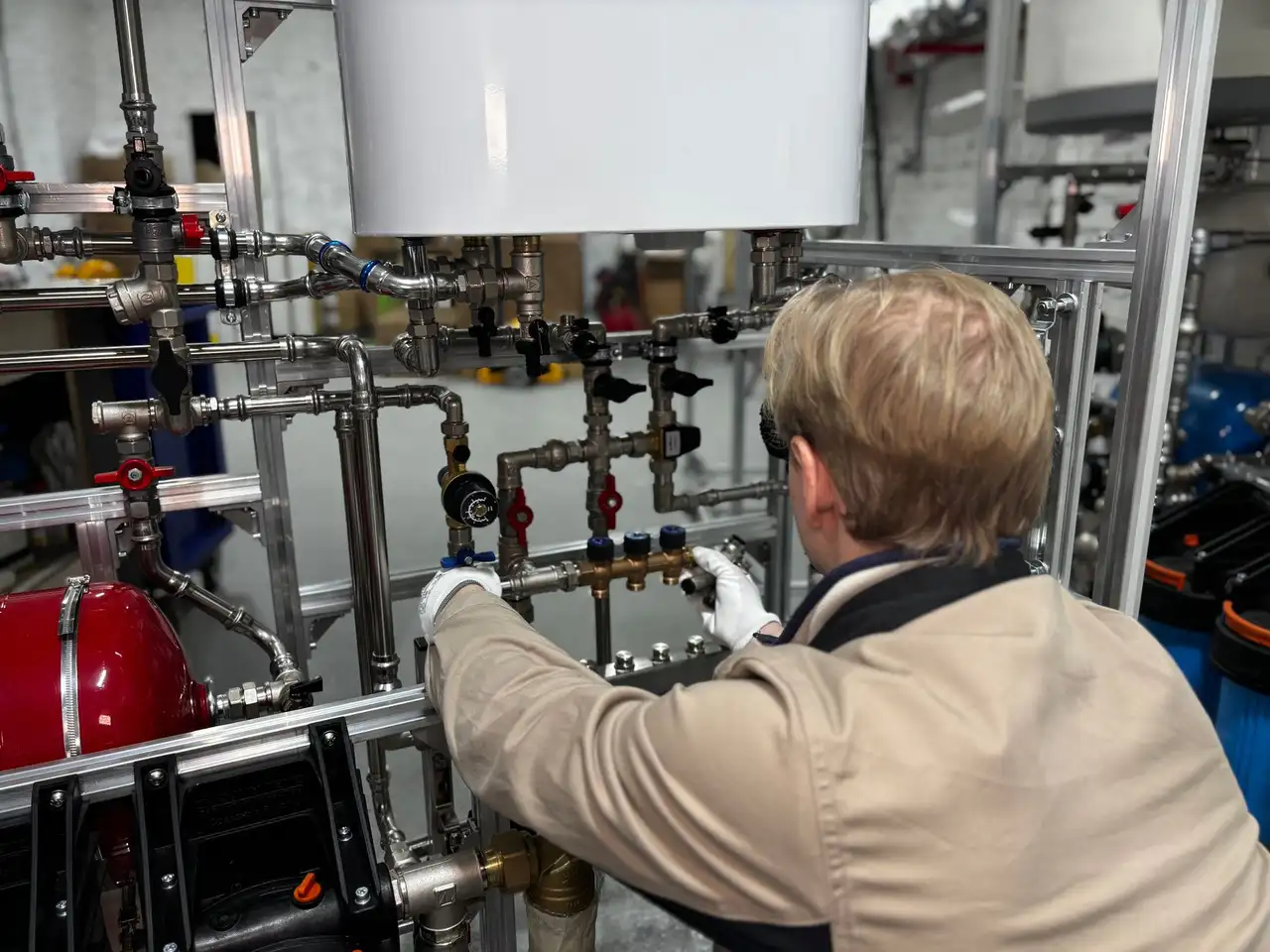
The scanner maps steel tendons inside the slab so any concrete opening is planned around them, protecting the foundation's structure.
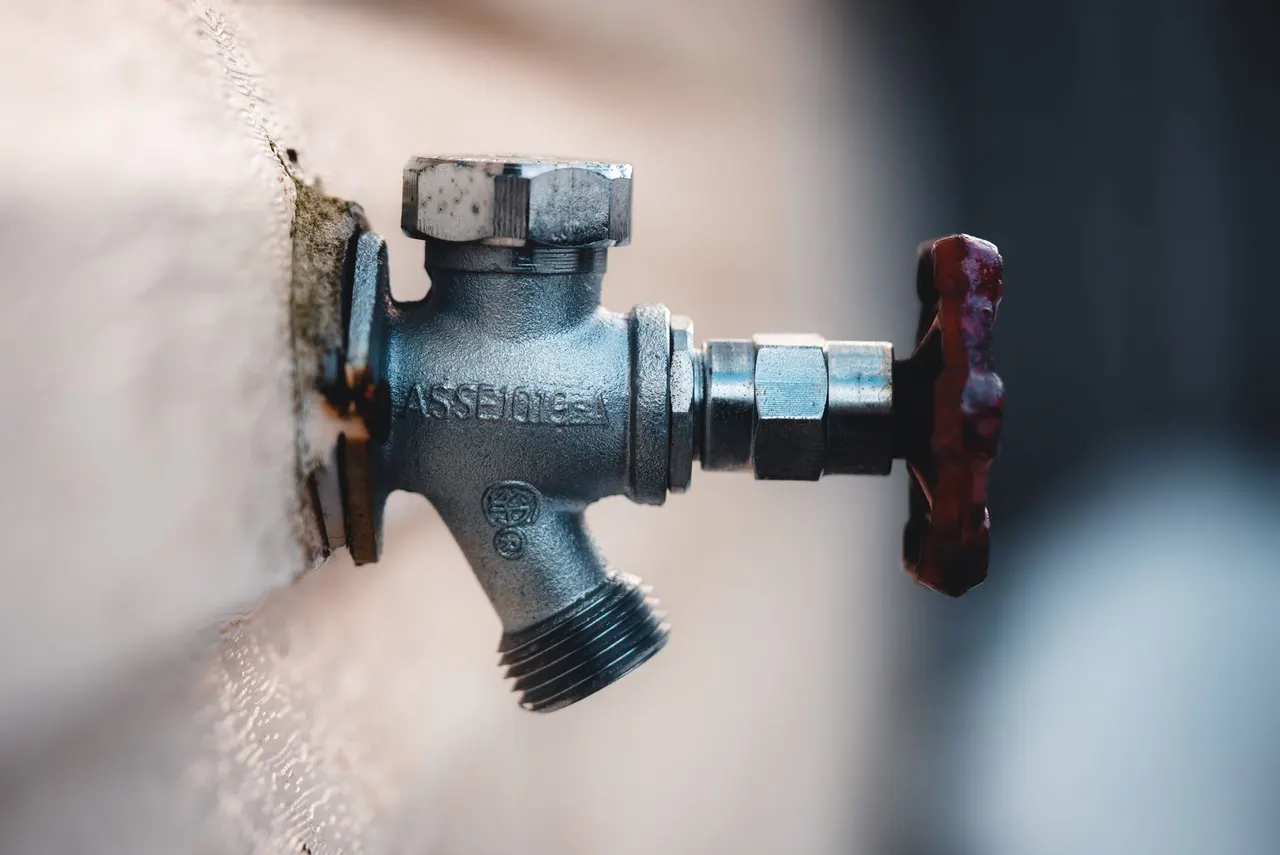
Heat views trace hot-water lines and their leaks through flooring, confirming the position and the pipe's path before cutting.
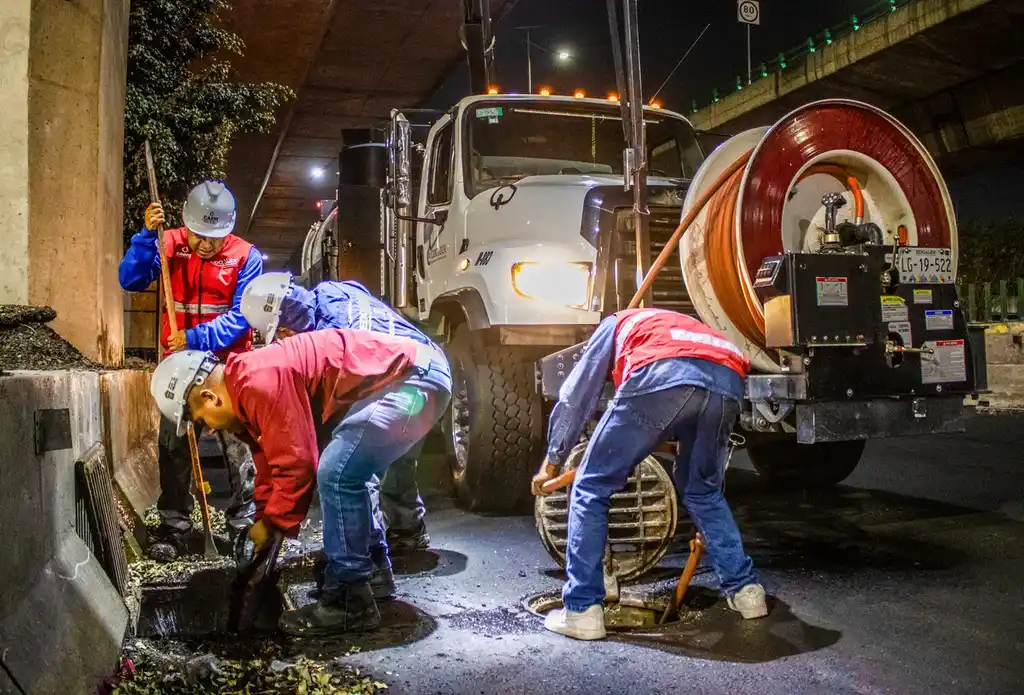
Expansion and crimp tools pull new PEX through wall cavities and attic runs for reroutes that bypass the slab entirely.

How Under-Slab Work Runs in Fort Bend County
No plumbing job is more local to Fort Bend County, Texas than a leak beneath a post-tension slab.
First Colony, Sugar Land
1990s copper under post-tension slabs is entering peak pinhole years; single-leak homes usually repair directly, repeat-leak homes reroute.
Sienna, Missouri City
Two-story layouts make attic reroutes practical, since vertical runs already pass near the failed ground-floor lines.
Historic Richmond
1970s slabs may lack post-tension cables but carry the oldest copper, so full-run condition weighs heavily in the cut-or-reroute call.
- First Colony, Sugar Land
- Sienna, Missouri City
- Historic Richmond
- Cross Creek Ranch, Fulshear
Under-Slab Problems This Work Ends
These symptoms mean water is escaping where you cannot see it, under the one structure you least want disturbed.
A warm trail crosses tile or wood flooring
Escaping hot water heats the slab continuously, wasting energy and signaling a line that will keep eroding its own bedding until flow undermines support.
The meter creeps all night with the house asleep
A continuous under-slab loss can waste thousands of gallons monthly, swell clay unevenly, and quietly lift or settle sections of the foundation over a season.
This is the second leak under the same slab in two years
Repeat failures mean the pipe material itself is spent.
New cracks appeared in floors and door frames
Differential soil moisture under a slab is a leading local cause of cracked tile, sticking doors, and drywall seams opening far from the leak itself.
What the Right Fix Protects
The right under-slab fix balances three things: stopping the water, protecting the post-tension foundation, and not paying to open concrete you did not need to open.
Foundation Stays Intact
Post-tension slabs carry steel cables under load, so random jackhammering is genuinely risky.
Reroute Option Priced Honestly
Abandoning a failed under-slab run and pulling new PEX through walls and the attic often costs less than cutting, repairing, and re-pouring, and it…
Verified Before and After
One verified leak gets one fix.
Soil Support Preserved
Water migrating under a slab softens the soil supporting it and swells Fort Bend clay unevenly.
What Under-Slab Work Costs in 2026
Which number applies to your home depends on the factors below, and the quote is flat before work starts; see /plumbing-cost/ for the full table.
Included
Quoted after a first look
- Proof Testing
- Acoustic Pinpointing
- Cable Scan
- Both Options Quoted
What changes the scope
Quoted after a first look
- One leak or a failing line
- Flooring above the leak
- Slab type and position
- Reroute distance
Frequently Asked Questions
Short answers for the first few minutes. The team can cover the rest.
Still have a question?
Describe what you are seeing and we will point you to the right next step.
(281) 555-0147Direct access repair runs $1,800-$4,500 and a full reroute of the leaking line runs $2,500-$5,500 in 2026 pricing. Locating the leak first costs $150-$450. The flat quote follows the pressure test results. Full ranges are listed at /plumbing-cost/.
Not always. Rerouting replaces the failed run with new pipe through walls or the attic and abandons the buried section, so no concrete opens. It suits older copper with multiple weak points. A single leak in otherwise sound pipe is usually cheaper to repair directly.
Warm or damp flooring, the sound of running water, a meter that moves with fixtures off, sudden pressure loss, and new cracks in tile or drywall are the common signals. Pressure testing confirms whether the source is truly beneath the foundation. Two or more of these together are reason enough to test this week.
A direct repair typically takes one day once the leak is located, including the opening, pipe work, and concrete patch. A reroute usually takes one to two days depending on the run length and how many walls the new line crosses.
It can. Escaping water erodes and swells the soil supporting the slab unevenly, which over months can crack floors and misalign doors. Stopping the leak early is the main protection; a foundation engineer, not a plumber, judges any movement already done.
Related Services
- Water Line RepairLow pressure across the whole house, a soggy strip of yard or a meter spinning with every tap…
- Water HeatersTank or tankless, gas or electric, this hub page helps you size a unit for your household and…
- Water Heater RepairNo hot water, rusty water, popping sounds or a puddle under the tank each point at a different…

Suspect Water Moving Under Your Slab?
(281) 555-0147Warm floors, a restless meter, or cracks that appeared this season deserve a same-week answer. Call (281) 555-0147 now.