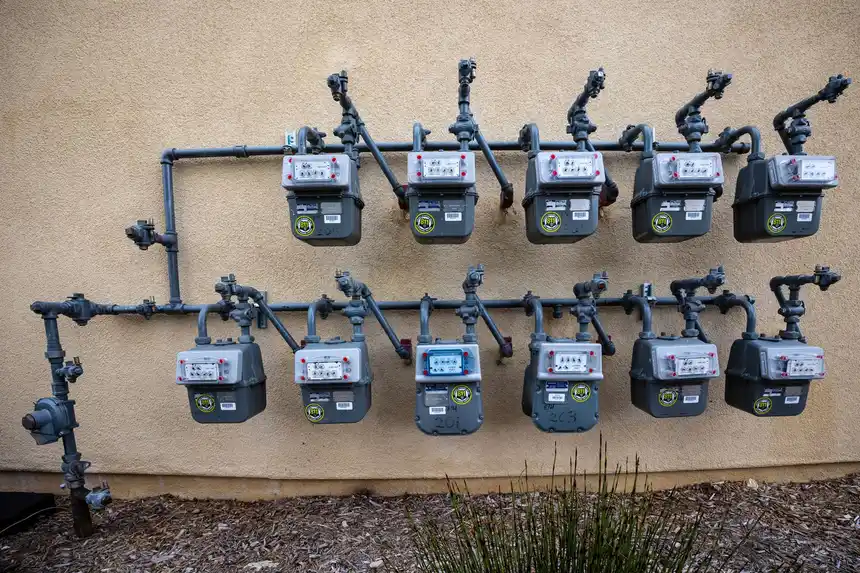
Calibrated gauges read static and flowing pressure at the meter and house bib, locating the pressure loss to one side of the system.
Yard Main Repairs That Bring Back Full Water Pressure
Pressure fading at every tap, a meter spinning with the house shut off, or one strip of lawn that never dries points to the buried main between the meter and your home. Call (281) 555-0147 today.
Serving Sugar Land and nearby areas.
How big is the main line job?
Partial renewal
The corroded stretch replaced, sound sections kept
- 1. Single section One split or joint replaced through a short trench
- 2. Partial renewal The corroded stretch replaced, sound sections kept
- 3. Full replacement Meter-to-house line renewed and planned in writing first
Drag the needle to compareTouch and drag the needle
What a Main Line Job Includes
The scope covers proving the loss, reaching the pipe, and verifying pressure afterward.
Work order
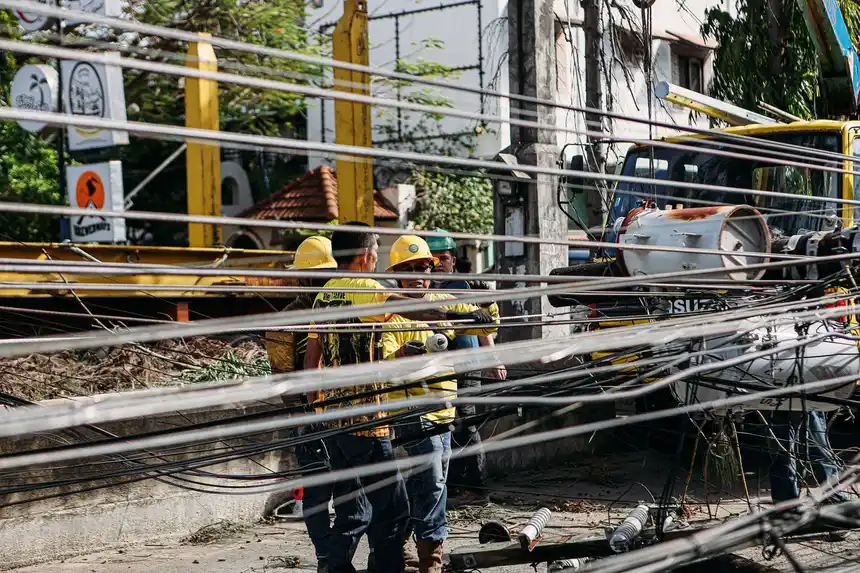
Water Line Repair- Pressure Diagnosis: Static and flowing pressure are recorded at the meter and inside the home's system, establishing whether the main is at fault and how much performance it has lost.
- Route Tracing: The buried route is traced and marked, and other utilities are located through 811, so excavation follows the pipe and respects gas, electric, and data lines.
- Section Replacement: The failed length is cut out and replaced with new pipe on proper bedding, tied in with shielded couplings rated for buried service.
- Working Shutoffs: Replacement jobs include accessible shutoff valves at the meter and the house, ending the common Fort Bend problem of a buried valve nobody can find or turn.
- Verified Retest: The repaired line is pressure-tested and the meter rechecked with the house isolated. Both readings go on the invoice next to the original test numbers.
What Main Line Work Involves
The main is the one pipe every fixture depends on. Testing it at the meter, fixing only what has failed, and proving the pressure afterward keeps the whole house running as designed.
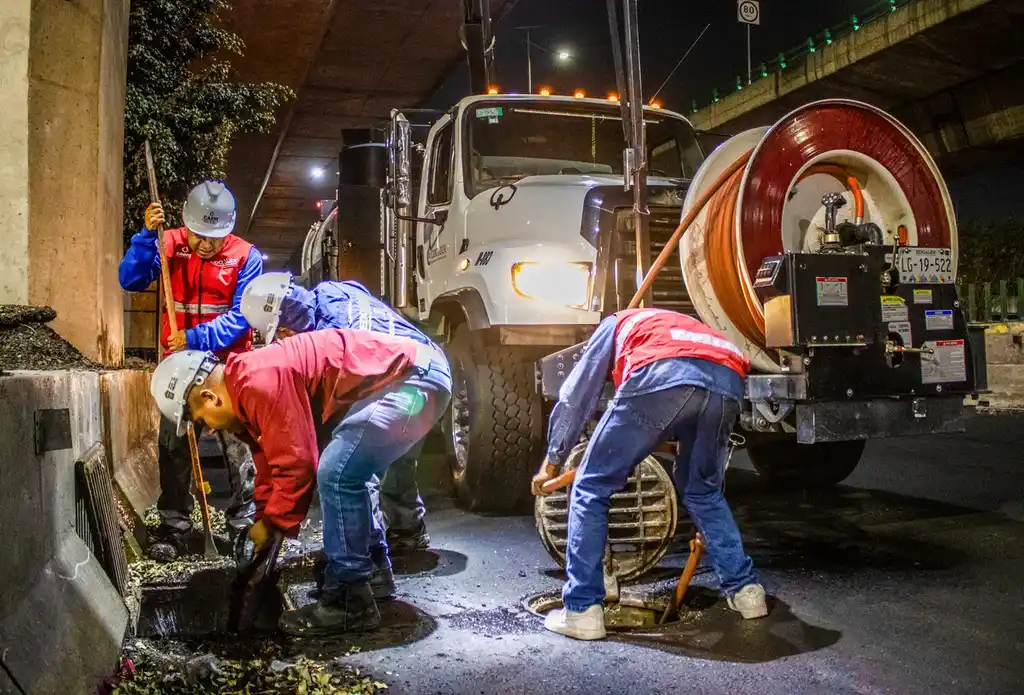
Water line repair is the work of fixing the buried service main that carries water from the street meter to a home, from a single split section to a full meter-to-house replacement. Diagnosis starts above ground: static and flowing pressure are read at the meter and at a house bib, and the meter is watched with the house isolated to prove whether the yard line itself is losing water before any soil opens.
The symptoms build slowly in Fort Bend. Galvanized mains in older Richmond and Rosenberg homes corrode inward until pressure fades at every fixture, while a cracked joint in newer Katy or Sugar Land poly lines leaks silently into clay soil, showing up as a soft yard strip and a climbing bill. Both failures live on the same stretch of pipe, and both are confirmed by test, not assumed.
- What it is
- Repair or replacement of the buried service line from meter to house
- When it helps
- When pressure fades house-wide or the yard stays wet
- What you get
- Tested pressure, a sealed line, and working shutoffs
How a Main Line Job Runs
Testing at the curb comes first, digging second. You see the readings that prove the yard line is the problem before you approve the trench.
Equipment Behind the Work
Each method answers a different question. Together they leave very little to guess.

A transmitter and receiver trace the buried route of the service line so digging follows the pipe instead of searching for it.
On pressurized leaks, listening equipment over the traced route narrows the escape point before the trench is opened.

Compact digging and boring equipment handles typical residential depths and driveway crossings without oversized yard damage.
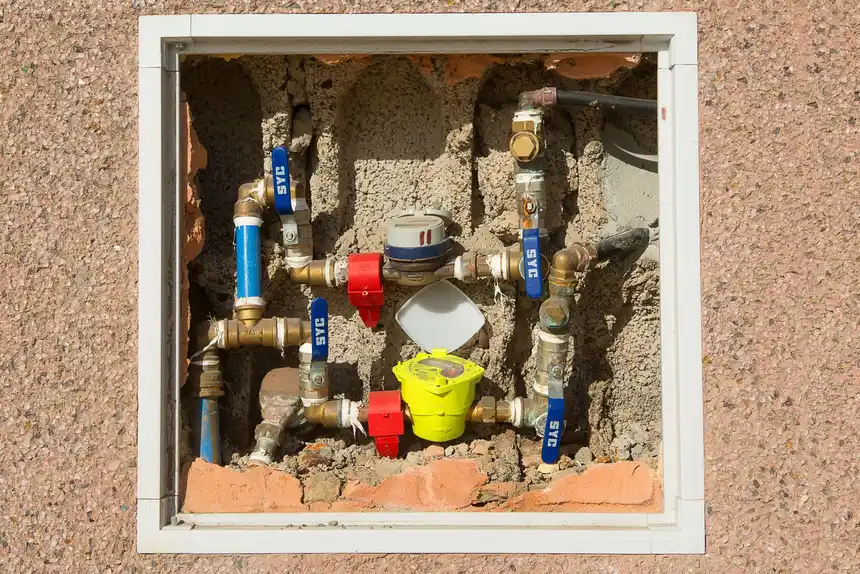
Crews carry poly, copper, and PVC repair sections with shielded couplings, so a proven failure is fixed in the same visit it is exposed.
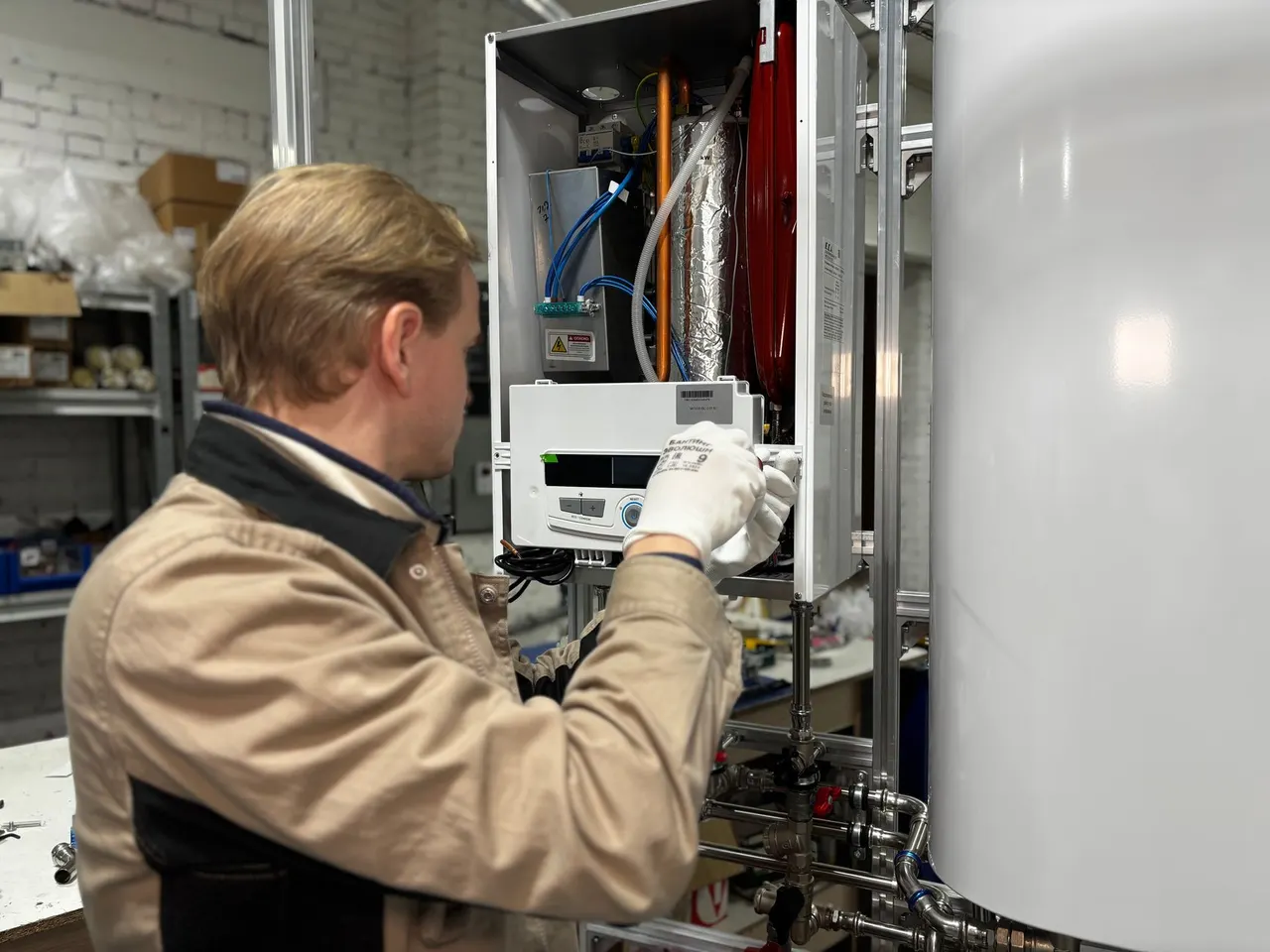
How Main Line Work Runs in Fort Bend County
The service line crossing a Fort Bend County, Texas yard lives in gumbo clay that moves with every season, and it shows.
Older Rosenberg
Original galvanized mains dominate and usually justify full replacement; partial fixes on these lines rarely hold a season.
Cinco Ranch, Katy
Poly and copper mains fail at single points, most often near the slab entry where clay movement concentrates stress.
First Colony, Sugar Land
Mature trees over the line route make root splits common; hand digging near roots keeps both the tree and the repair intact.
- Older Rosenberg
- Cinco Ranch, Katy
- First Colony, Sugar Land
- Rural-edge Fulshear
Main Line Problems This Work Ends
These are the four complaints that most often trace back to the buried main.
Pressure has faded at every tap over recent months
Every fixture starves together when the main restricts or leaks, and appliances like tankless heaters may error out entirely on low flow.
One strip of yard stays soft and bright green
Escaping water near the foundation swells clay unevenly, softens the trench into a bog, and can undermine nearby flatwork if the loss continues for months.
The bill climbs while household usage stays flat
A main losing a few gallons an hour adds thousands of gallons a month.
Water is bubbling up near the meter after a freeze
A full split can drain pressure to a trickle within hours and flood the trench area, and a home with a seized shutoff cannot even stop…
What a Sound Main Delivers
A sound main restores the pressure every fixture was designed for and stops treated city water from irrigating the soil under your yard and slab edge.
Full Pressure Restored
Most low-pressure complaints that worsen month by month trace to a leaking or constricted main, not the fixtures.
Bill Back to Normal
A split main can lose 200 to 400 gallons a day into the soil.
Foundation Moisture Controlled
Water escaping beside the foundation swells gumbo clay unevenly and undermines driveway edges and sidewalks.
Shutoffs That Work
New shutoff valves at the meter and the house, plus a documented line route, make every future plumbing job faster.
What Main Line Work Costs in 2026
Your quote is flat once testing proves which job the line needs, and the county's full price table is at /plumbing-cost/.
Included
Quoted after a first look
- Pressure Diagnosis
- Route Tracing
- Section Replacement
- Working Shutoffs
What changes the scope
Quoted after a first look
- Where the failure sits
- Length and depth of run
- Pipe material and condition
- Trench or bore
Frequently Asked Questions
Short answers for the first few minutes. The team can cover the rest.
Still have a question?
Describe what you are seeing and we will point you to the right next step.
(281) 555-0147A repair runs $800-$2,500 and a full replacement $1,500-$4,000 in 2026 pricing, with locating and pressure testing starting at the $95-$175 diagnostic visit. Length, depth, and boring under concrete drive the spread. The quote is flat before digging.
In most Fort Bend cities the homeowner owns the line from the meter to the house, and the city owns from the main to the meter. A test at the meter shows which side is losing water, and we will tell you if the fault is on the city's side.
Pressure that fades across every fixture, a meter moving with the house shut off, a persistently soft or green strip over the line's path, and unexplained bill growth are the standard clues. A pressure test at the meter confirms it in minutes.
Most single-section repairs finish in a day. A full replacement by open trench also usually takes a day on typical lots; boring under long driveways or landscaping can add a second day, and water is restored the same evening in most cases.
One split in otherwise sound poly or copper is a repair. Galvanized pipe that has corroded along its length, or a line that has been patched before, is a replacement candidate, because the next weak point is already forming nearby.
Related Services
- Water HeatersTank or tankless, gas or electric, this hub page helps you size a unit for your household and…
- Water Heater RepairNo hot water, rusty water, popping sounds or a puddle under the tank each point at a different…
- Water Heater InstallationReplacement day covers draining and hauling the old tank, setting the new 40-50 gallon unit, reconnecting gas, water…

Pressure Dropping or Yard Staying Soggy?
(281) 555-0147Weak showers, a soft yard, or a meter that will not rest? Call (281) 555-0147 now.