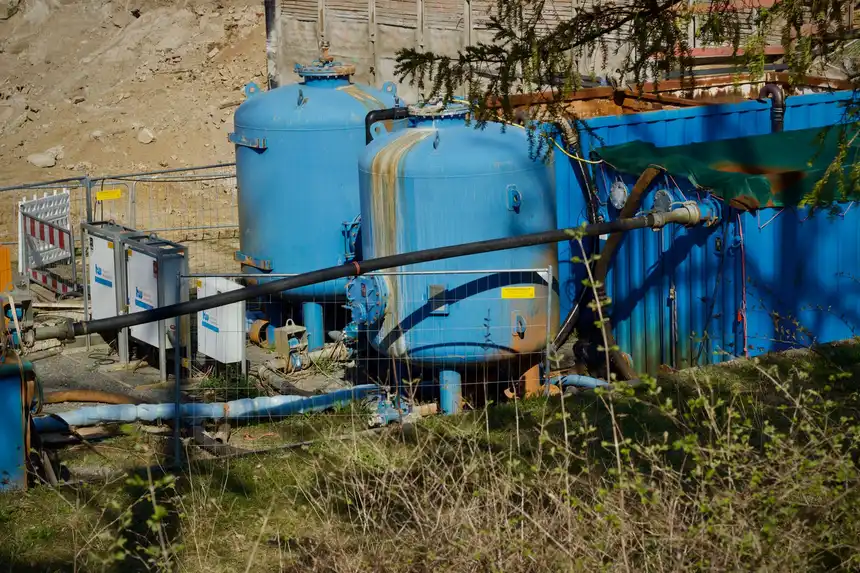
Empties the old tank quickly and moves sediment-heavy water to a safe drain.
Replacement Day, Handled: Removal, Hookup, Testing, Hot Water
A replacement is a half-day of sequenced work: drain-down, disconnection, haul-away, setting the new unit, reconnecting gas, water and venting, then testing. This page walks through that day and its 2026 prices. Call (281) 555-0147.
Serving Sugar Land and nearby areas.
How big is the replacement job?
Upsized replacement
Bigger capacity with gas and vent capacity verified first
- 1. Like-for-like swap Same size, fuel and venting; the standard half-day replacement
- 2. Upsized replacement Bigger capacity with gas and vent capacity verified first
- 3. Full conversion Fuel or type change planned and permitted in writing first
Drag the needle to compareTouch and drag the needle
- 19Services from one local team
- 6Areas served around Sugar Land
- Tested wetEvery new joint checked under pressure before sign-off
- Hauled awayOld unit removed and recycled the same day
What the Installed Price Covers
One figure covers the unit and everything swap day requires, from drain-down to the final check.

Work order
Water Heater Installation- Unit and core fittings: The new tank, flex connectors, shutoffs and relief valve are included, with an expansion tank on closed systems.
- Removal and recycling: The old unit is drained, disconnected, carried out and recycled; you never arrange disposal yourself.
- Pan and drain work: Attic and closet installs include pan inspection or replacement and a drain flow test.
- Testing and settings: Joints are leak-checked, vent draft tested on gas models, and the thermostat set to 120 degrees.
What Installation Day Involves
A replacement done properly is boring by design: the right unit, set plumb, connected cleanly, tested wet, and explained before anyone leaves. That is the standard worth paying for.
The old tank is shut off, drained to a floor drain or outside, and disconnected from gas, water and vent lines. The new unit is set on its pan, levelled, and reconnected with new flex lines, shutoffs and an expansion tank where needed.
Fort Bend installs carry local specifics. Attic units in Richmond and Rosenberg need pan verification because they sit over ceilings. Permitted work follows Texas rules under the Texas State Board of Plumbing Examiners, and inspectors check relief routing and combustion air.
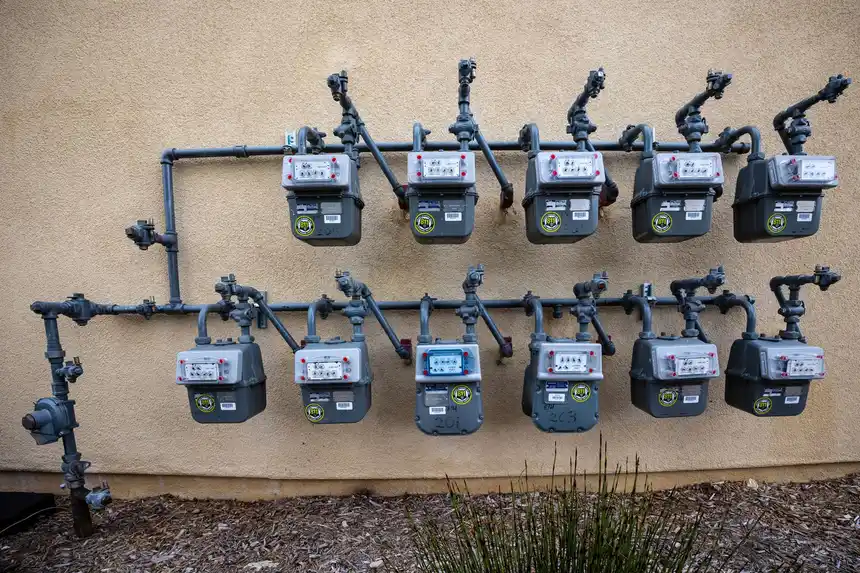
- What it is
- Removal of the old unit and full installation of its replacement
- When it helps
- When the tank leaks, ages past twelve years, or undersizes the home
- What you get
- An installed, tested unit with model and permit records
The Five Stages of Swap Day
Most like-for-like tank replacements in Fort Bend homes finish in four to six hours, in this order.
Equipment on Install Day
Each method answers a different question. Together they leave very little to guess.
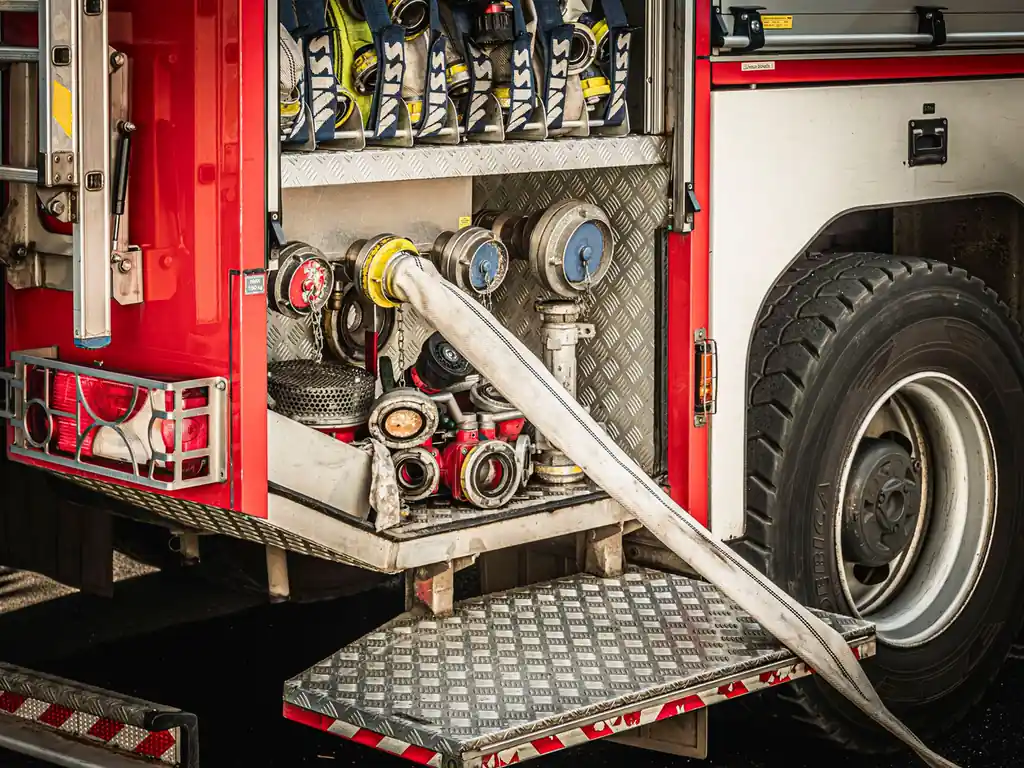
Fits new gas and water connections where lines are extended or resized.
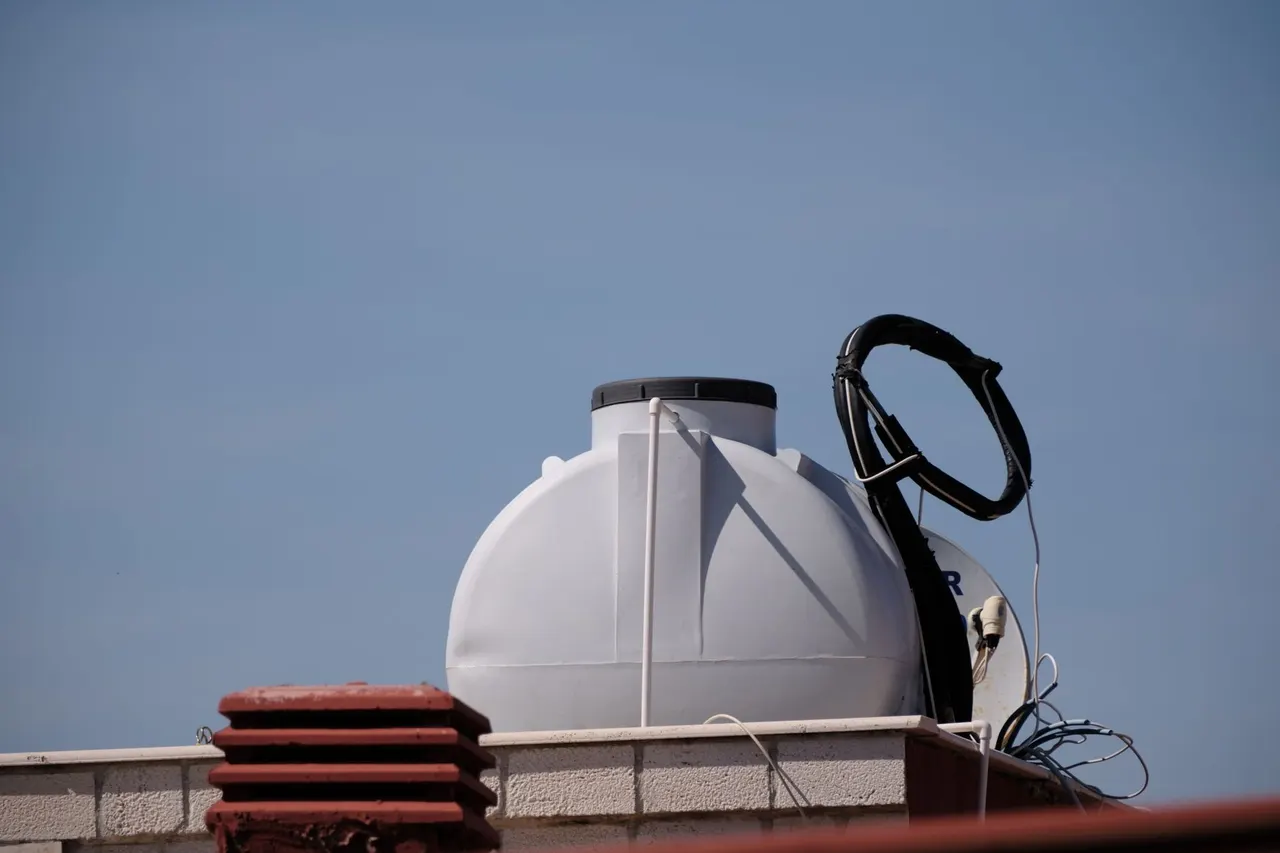
Confirms the new vent connector pulls flue gases upward before the crew leaves.
Sets the unit plumb and tightens fittings to specification without distortion.
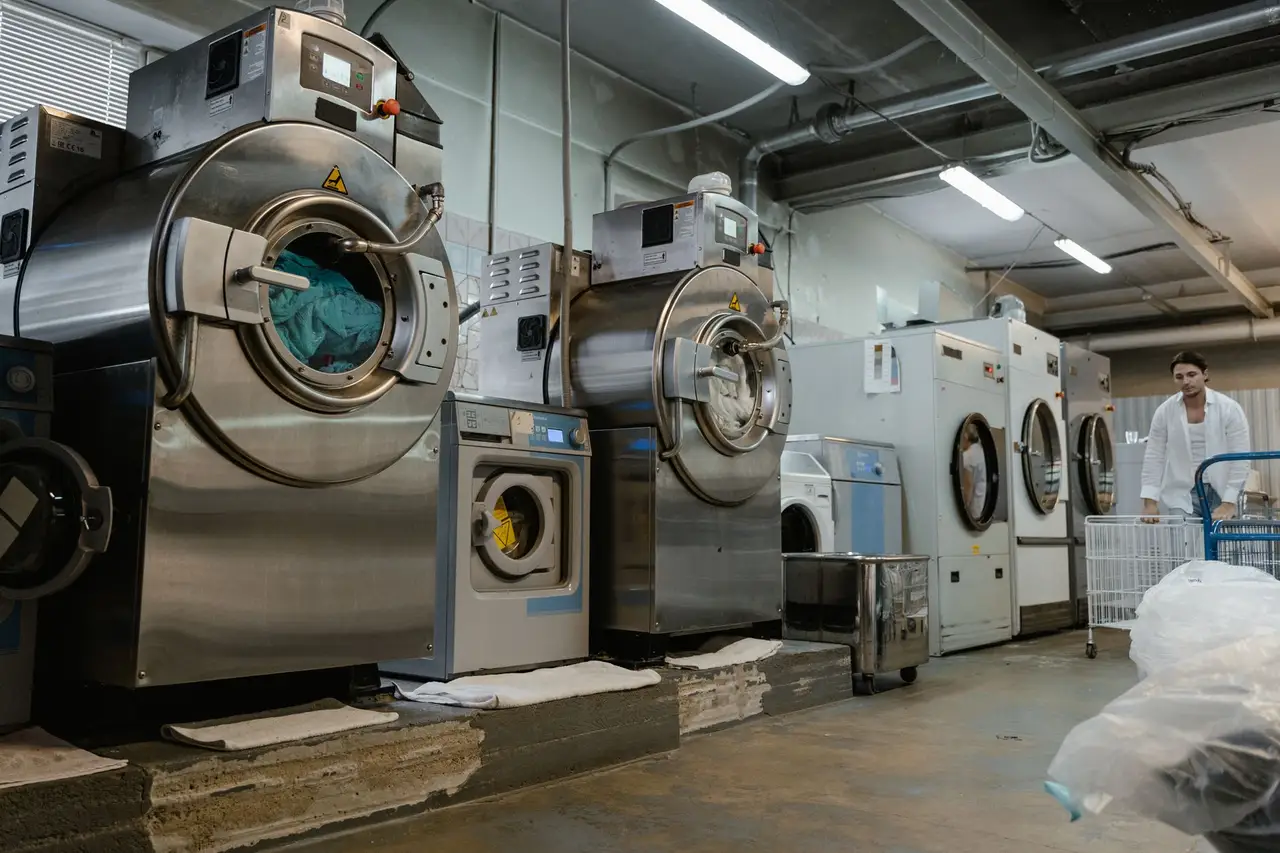
When size and fuel stay the same, a rehearsed order keeps most swaps inside six hours.
How Replacement Day Unfolds
A Katy family's garage tank starts leaking on Saturday morning
A like-for-like 50-gallon swap is booked the same day: drain-down, haul-away and testing in one visit.
HomesA Fulshear homeowner upgrades from 40 to 50 gallons during a planned swap
Gas capacity and vent size are verified for the bigger burner before the unit is set.
HomesA Stafford seller must correct an unpermitted attic install before closing
The replacement is permitted, fitted with pan and alarm, and documented for the inspector.
Homes and businesses
Installing Heaters the Fort Bend Way
Attic installs define replacement work in older Fort Bend neighbourhoods: units come down through a hatch, and pan drains decide whether a future leak is a nuisance or a ceiling collapse. Newer Sugar Land, Katy and Fulshear garages are easier, though tight closets leave inches to manoeuvre.
Telfair, Sugar Land
Garage installs with good access; most swaps are clean like-for-like jobs.
Old Stafford
Smaller closets and older venting often add connector replacement to scope.
Rosenberg core
Attic tanks above living space; pan condition is checked first on arrival.
- Telfair, Sugar Land
- Old Stafford
- Rosenberg core
From problem to finished result.
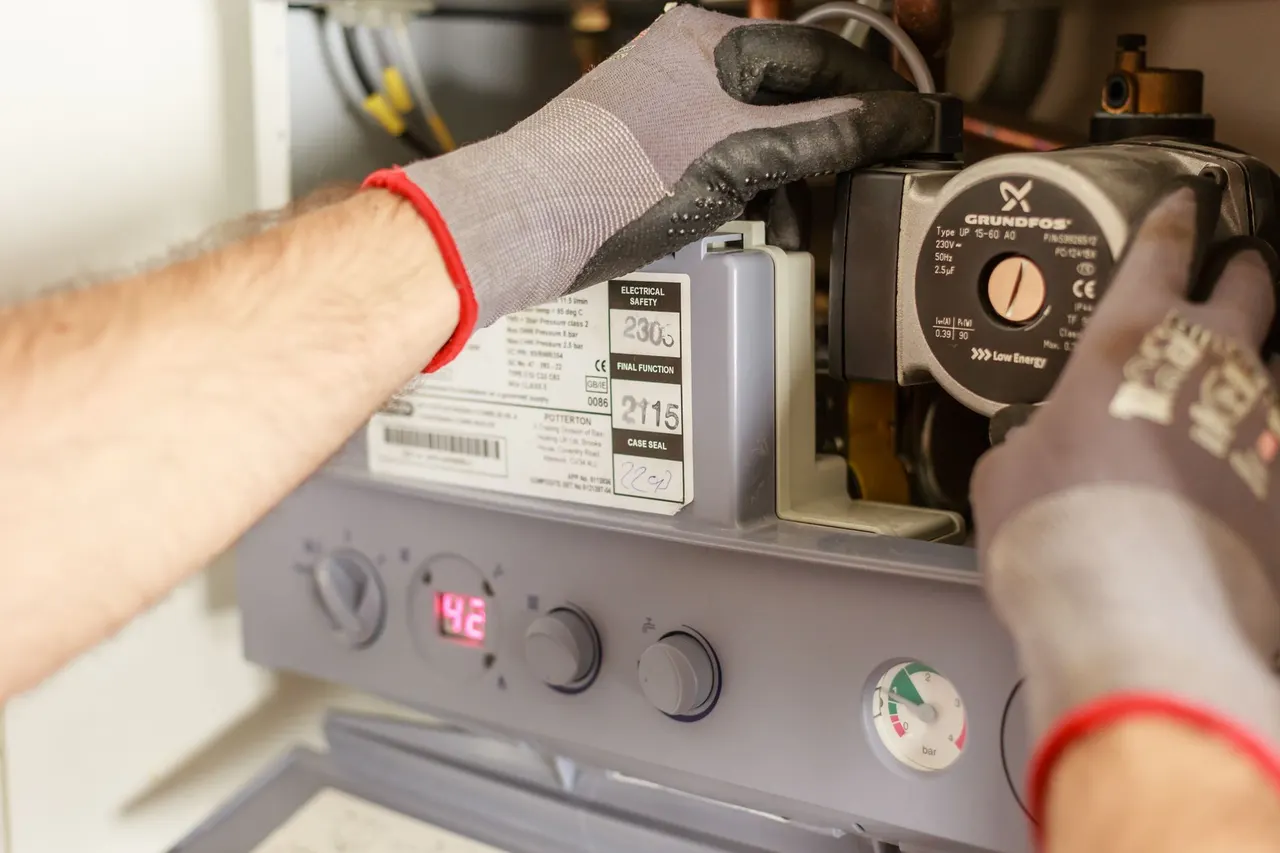
Slide to compare the photo with an illustrative inspection view. It is generated from the photo, not a measurement.
 Photo
Leaking base, dry floor
Before: A 12-year-old tank wept at its base, keeping the garage pan wet and the floor stained.
After: The replacement sits on a new pan with tested drain and fresh shutoffs; the area stays dry.
Undersized to right-sized
Before: A 40-gallon tank served five people, running cold during every morning peak.
After: A 50-gallon high-recovery unit, sized from demand, covers the peak without temperature swings.
Unpermitted to documented
Before: An attic install lacked a pan drain and permit record, flagged during inspection.
After: The permitted replacement added pan, alarm and correct relief routing, documented for the file.
Replacement Triggers This Service Answers
Install day is the answer when repair stops making sense; these triggers come up most.
Tank leaks from its base and the pan stays wet
A rusted-through wall cannot be patched; delay risks a full 50-gallon release indoors.
The unit is 12-plus years old and repairs keep stacking
Parts money on an end-of-life tank buys weeks, not years, before the next failure.
Hot water no longer covers a growing household
An undersized tank strains routines and runs its burner longer, wearing out faster.
A home sale or inspection flagged the old install
Missing pans, bad relief routing and corroded vents fail inspections and delay closings.
What a Proper Install Protects
A heater can be new and still perform badly if set, venting or pressure details are rushed.
Full rated recovery from day one
Correct gas pressure, vent draft and a clean fill give the new unit its rated first-hour output immediately.
Leaks caught before the crew leaves
Every joint is pressure-tested wet, the pan drain flow-checked, and the relief valve lifted to confirm it seats.
A safer attic or garage
New shutoffs, a sound drain pan and correct vent clearances remove the failure points that made the old install risky.
Paperwork that proves it
You receive the model and serial record, permit documentation where required, and the settings used.
Installed Pricing in 2026
Breakdown at /plumbing-cost/.
Included
Quoted after a first look
- Unit and core fittings
- Removal and recycling
- Pan and drain work
- Testing and settings
What changes the scope
Quoted after a first look
- Capacity and recovery
- Attic versus garage
- Code corrections
- Fuel or size changes
Install Craft, Checked Twice

Vent draft
Measured at the draft hood after firing; weak draft means venting is corrected before sign-off.
Static pressure
Read at a hose bib; high pressure decides whether an expansion tank joins the install.
Outlet temperature
Checked at the nearest tap against the 120-degree setting before the walkthrough ends.
Frequently Asked Questions
Short answers for the first few minutes. The team can cover the rest.
Still have a question?
Describe what you are seeing and we will point you to the right next step.
(281) 555-0147A 40 to 50 gallon tank, unit included, installs for $1,900 to $3,800 in typical 2026 pricing. Attic access or vent changes move the figure; the quote confirms it first.
Most like-for-like swaps take four to six hours including drain-down, haul-away and testing. Tankless conversions usually take a full day.
Many Fort Bend cities require a permit for replacement, arranged by the installer. Inspections check relief routing, venting and combustion air.
Often, yes, when the replacement matches existing size, fuel and venting and a unit is available locally. Call (281) 555-0147 early for the best same-day chance.
Match or adjust the old size using household demand, not habit. The sizing guide at /water-heaters/ converts bathrooms and occupants into a first-hour rating.
Related Services
- Tankless Water HeatersEndless hot water and lower standby losses suit large families and the newer master-planned builds where tankless is…
- Gas Line RepairA rotten-egg smell, hissing near a fitting or a dead gas appliance means leave first and call from…
- RepipingRusty water, pinhole leaks and pressure that fades from room to room are the classic signs galvanised lines…

Talk to a Local Dispatcher
Calling beats forms here. When you ring (281) 555-0147, have your city, the fixture or line involved, and when the problem started ready, and a dispatcher will match you with a partner covering your street.