Ground microphones and contact discs amplify the hiss of pressurized water escaping pipe, growing loudest directly above the leak position.
Finding Hidden Leaks Without Demolition or Guesswork
Your water bill jumped, the meter creeps with every tap closed, or you hear water moving at 2 a.m. Call (281) 555-0147 and tell us what changed.
Serving Sugar Land and nearby areas.
How big is the search?
Whole property
House, yard service, and irrigation tested as separate systems
- 1. One system A single house line isolated and traced to one marked point
- 2. Whole property House, yard service, and irrigation tested as separate systems
- 3. Stubborn loss Multiple leaks or deep lines needing tracer gas and planned in writing
Drag the needle to compareTouch and drag the needle
What a Locating Visit Includes
The visit covers testing and locating only, quoted separately from repair so you can decide with evidence in hand. Anything the search cannot confirm is reported as unconfirmed, not guessed.

Work order
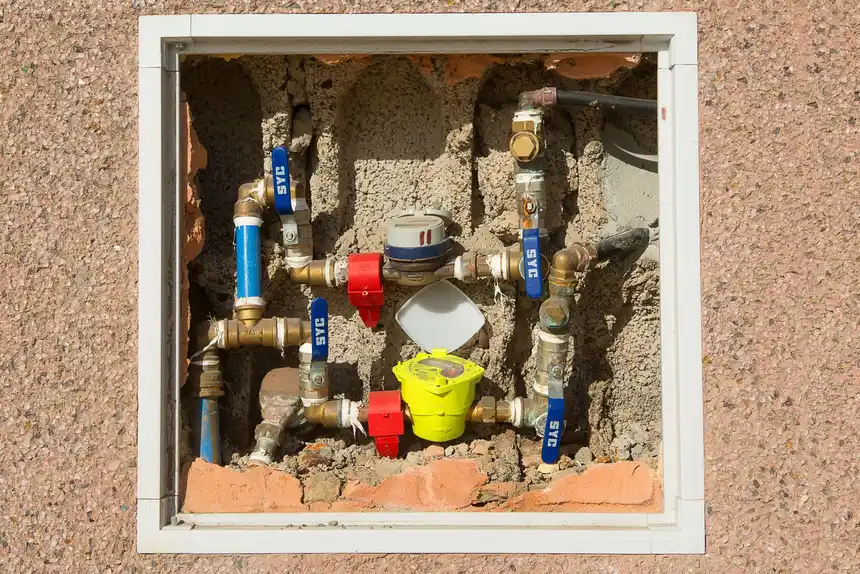
Leak Detection- Meter Verification: The technician documents meter behavior with all fixtures off and measures the loss rate, establishing that a real pressurized leak exists before charging into the search.
- System Isolation: Irrigation, yard service, and interior plumbing are valved apart and pressure-tested in sequence, narrowing the loss to one system with readings at each stage.
- Signal Tracing: Listening equipment and thermal views trace the escaping water to its position, with tracer gas added for lines that run too quiet or too deep for sound.
- Marked Position: The position is marked on the surface and photographed, and you receive the readings behind it, so any repair crew can open exactly the right spot.
- Repair Quote: With the source known, repair paths are priced flat on site, from a simple fitting swap to the under-slab options detailed at /slab-leak-repair/.
How Hidden Leaks Get Found
A leak you cannot see is still measurable. Isolating the system, proving the loss with numbers, and marking the exact spot turns a mystery bill into a small, priced repair.
Leak detection is the non-invasive testing process that locates water escaping from a pressurized pipe using meter readings, pressure gauges, acoustic sensors, and thermal imaging. The technician first proves a loss exists, isolates whether it sits in the house, the yard service line, or the irrigation system, then traces the sound or heat signature to a marked spot on the floor, wall, or lawn. Every reading is logged as the search proceeds, so the final marked position rests on a chain of measurements rather than one technician's impression.
Most Fort Bend searches start with a bill that jumped 30 percent or a meter dial moving with every fixture shut. Slab foundations hide the evidence: water escaping under concrete can travel along the pipe trench and surface in a different room, or drain into the soil for months. Pinpointing the true source before anything opens is what keeps a small repair small.
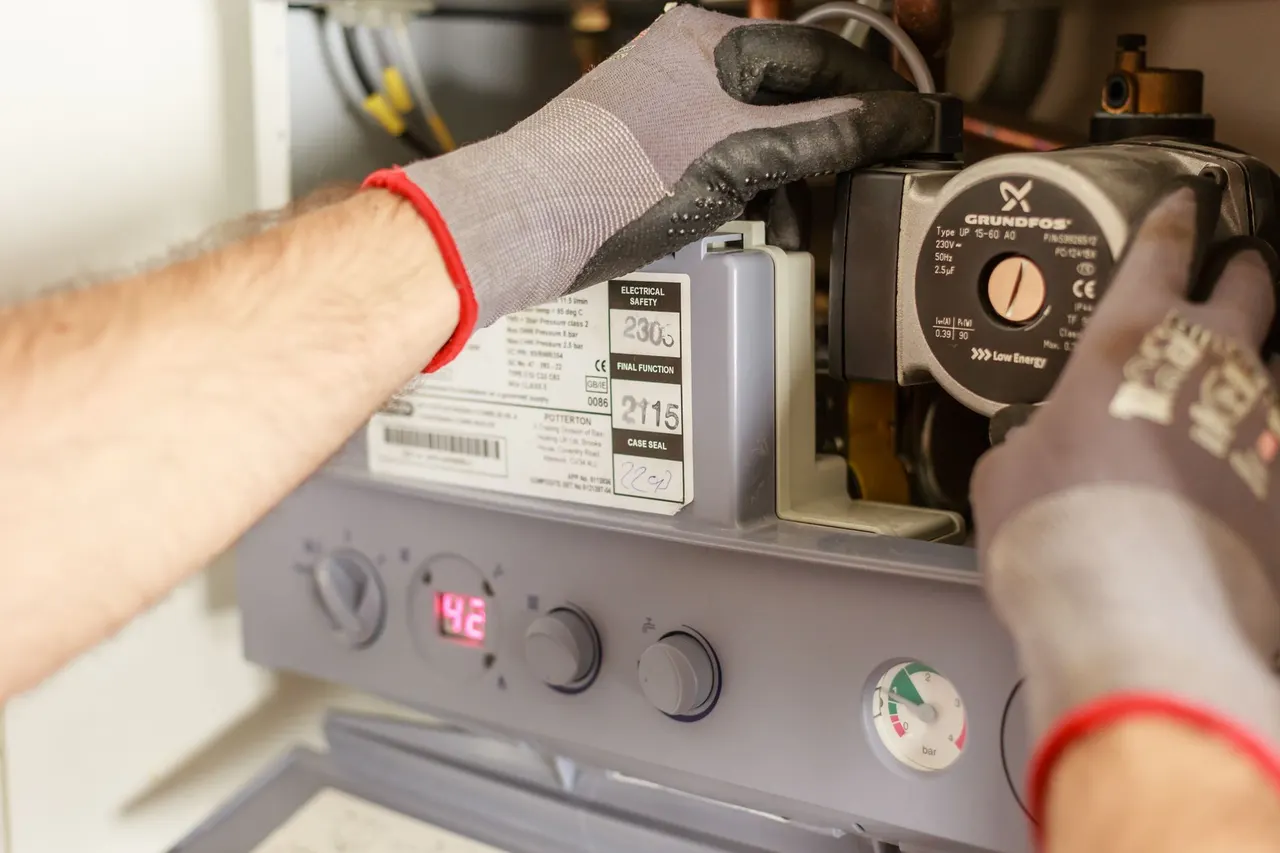
- What it is
- Non-invasive testing that locates escaping water by sound and heat
- When it helps
- When bills jump or the meter moves with fixtures off
- What you get
- A marked position, recorded readings, and repair options
How a Leak Search Runs
The search follows a fixed order: prove the loss, isolate the system, trace the signal, mark the spot, and hand you readings that price the repair.
Tools Behind the Search
Each method answers a different question. Together they leave very little to guess.

Infrared views reveal hot water spreading where it should not, showing blooms through tile and wood that the eye cannot see.

Calibrated gauges hold and watch pressure on isolated sections, turning a suspicion into a measured drop rate per system.

A safe hydrogen-nitrogen mix is fed into quiet or deep lines and sniffed at the surface where it escapes, for leaks sound cannot reach.

Low-flow meter readings quantify the loss in gallons per hour, which sizes the problem and later verifies the repair stopped it.
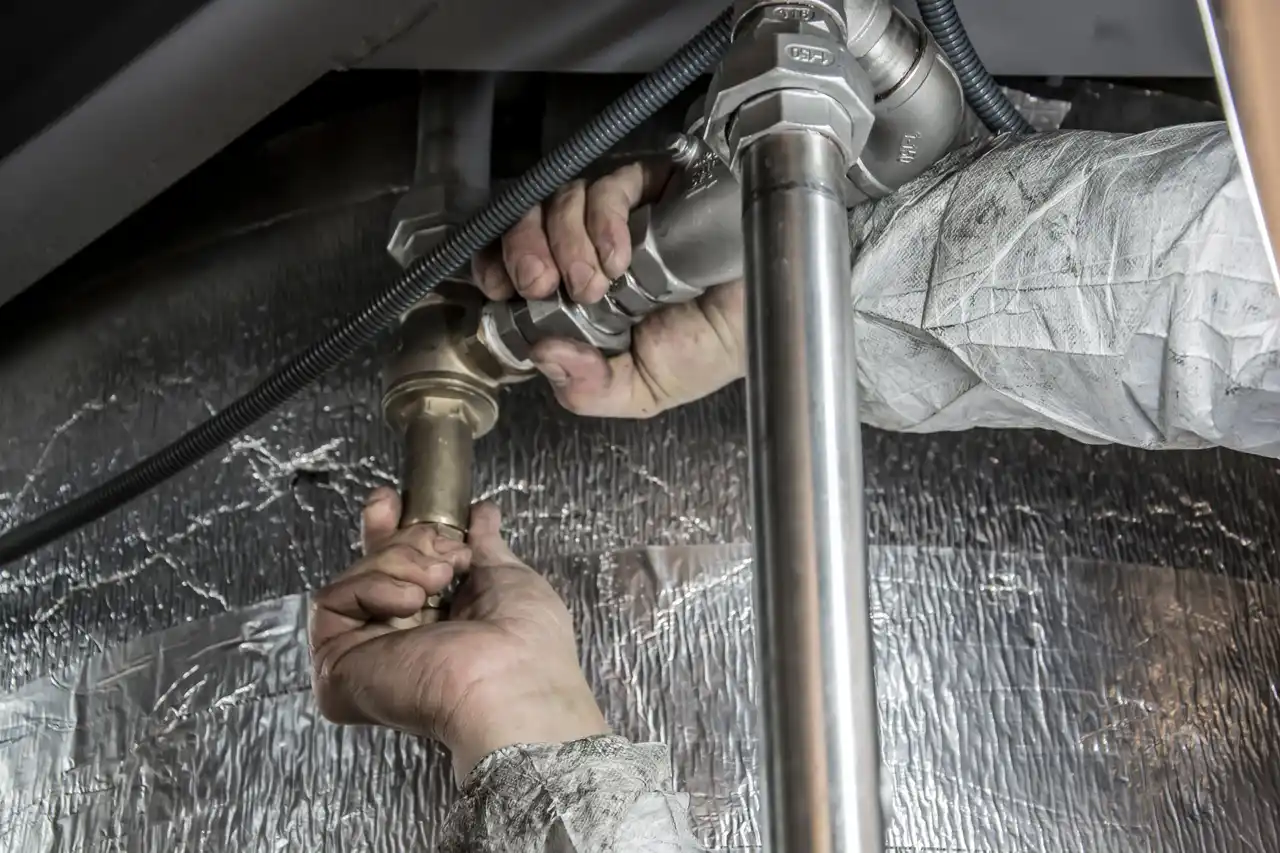
How Leak Searches Run in Fort Bend County
Leak hunting in Fort Bend County, Texas starts from the construction reality: almost every home sits on a post-tension slab with supply lines buried beneath it, so a leak rarely shows where it starts.
Telfair, Sugar Land
Large newer homes with multiple manifolds need system-by-system isolation; smart meters here make overnight flow data easy to review.
Older Rosenberg
Galvanized supply lines corrode internally, so pressure testing often finds losses spread across several weak sections, not one hole.
Sienna, Missouri City
Long service runs from street to slab cross irrigated lawns, and separating irrigation from house supply is the first fork in the search.
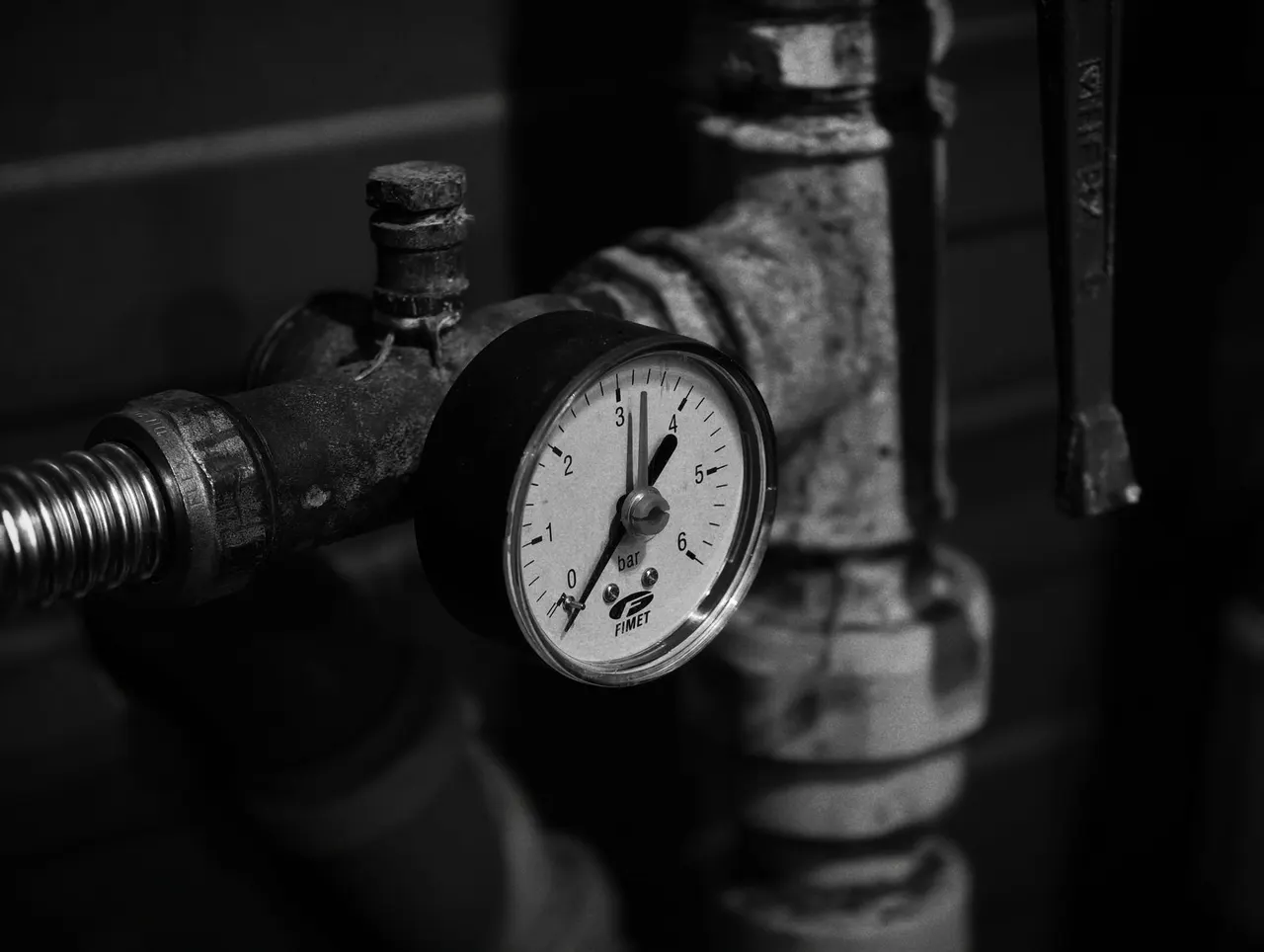
- Telfair, Sugar Land
- Older Rosenberg
- Sienna, Missouri City
- Cross Creek Ranch, Fulshear
Leak Mysteries This Service Solves
Each of these mysteries has a measurable answer. Testing replaces suspicion with a location, a reading, and a repair decision you can price.
The water bill doubled with no change in usage
An unnoticed quarter-gallon-per-minute loss wastes roughly 10,000 gallons a month and can double a Fort Bend water bill while damaging soil and slab support.
Running water is audible when every fixture is off
That sound usually means pressurized water escaping somewhere in the system.
One patch of floor feels warm for no reason
Thermal imaging maps the heat bloom against the pipe layout, showing whether the source is a leak or a normal line run, and marks the spot…
A musty odor lingers near one wall or cabinet
Persistent moisture feeds mold inside wall cavities and swells trim and flooring. Treating only the smell leaves the water source feeding it every day.
What Accurate Locating Delivers
Finding a leak by ear, heat, and pressure data means the repair that follows is small, targeted, and priced from evidence instead of opened walls.
No Exploratory Demolition
Acoustic sensors hear water escaping a pressurized pipe through slab, soil, and wall cavities, and correlation between two sensor points narrows the position to…
Repair Scope Gets Smaller
You learn whether the loss sits in a fixture, a wall line, the yard service, or under the slab before anyone quotes repair work,…
Damage Stopped Early
A hidden leak can release hundreds of gallons a week into wall cavities and soil.
Documented Findings
The visit ends with the leak position marked, the pressure readings recorded, and photos of the test setup.
What a Leak Search Costs in 2026
Leak detection that ends with a marked spot and recorded readings lets the repair be quoted flat instead of by the hour; the county price table…
Included
Quoted after a first look
- Meter Verification
- System Isolation
- Signal Tracing
- Marked Position
What changes the scope
Quoted after a first look
- Home size and layout
- How quiet the leak is
- Systems to isolate
- Access to shutoffs
Frequently Asked Questions
Short answers for the first few minutes. The team can cover the rest.
Still have a question?
Describe what you are seeing and we will point you to the right next step.
(281) 555-0147Electronic locating runs $150-$450 in 2026 pricing, depending on the size of the home and how many systems need isolating. The general diagnostic visit is $95-$175. You get the marked position and readings before any repair quote. Compare services at /plumbing-cost/.
Often, yes. Acoustic equipment frequently narrows a pressurized leak to within a foot or two through concrete. Very deep lines, heavy street noise, or multiple leaks close together can widen the search area, and the technician will tell you the confidence level honestly.
A spinning meter with all fixtures off, a water bill jumping without explanation, the sound of running water at night, warm floor spots, and musty smells near baseboards are the usual signals. Any two together justify a locating visit.
Most single-family searches finish in one to two hours, including isolating the house, yard, and irrigation systems. Large homes with several manifolds or a second structure on the lot can take longer, and you will know the scope before work starts.
No, and that separation protects you. The locating visit produces the position, readings, and photos, then the repair is quoted flat as its own job, whether it is a wall pinhole, a yard section, or under-slab work. Repairs are handled by the same licensed partner network.
Related Services
- Slab Leak RepairA leak under a post-tension slab is the county's signature big repair, and it shows up as warm…
- Water Line RepairLow pressure across the whole house, a soggy strip of yard or a meter spinning with every tap…
- Water HeatersTank or tankless, gas or electric, this hub page helps you size a unit for your household and…