Tests element continuity, thermostat function and power supply on electric models.
No Hot Water, Rumbling Tank or Dead Pilot? Read This First
Most heater failures trace to a handful of parts: a burnt element, a worn thermocouple, a sediment-choked burner or a failing anode. This page maps each symptom to its likely fix and 2026 price band.
Serving Sugar Land and nearby areas.
How involved is the repair?
Part plus flush
Failed part swapped and sediment cleared in the same visit
- 1. Single part One tested component replaced, such as an element or thermocouple
- 2. Part plus flush Failed part swapped and sediment cleared in the same visit
- 3. End-of-life call Tank wall failing; replacement options planned in writing first
Drag the needle to compareTouch and drag the needle
- 19Services from one local team
- 6Areas served around Sugar Land
- Tested firstComponents measured before any part is quoted
- Flushed tooSediment cleared when it caused the fault
What a Repair Visit Includes
Testing, the agreed part swap, a flush where sediment is involved, and a plain statement of remaining life.
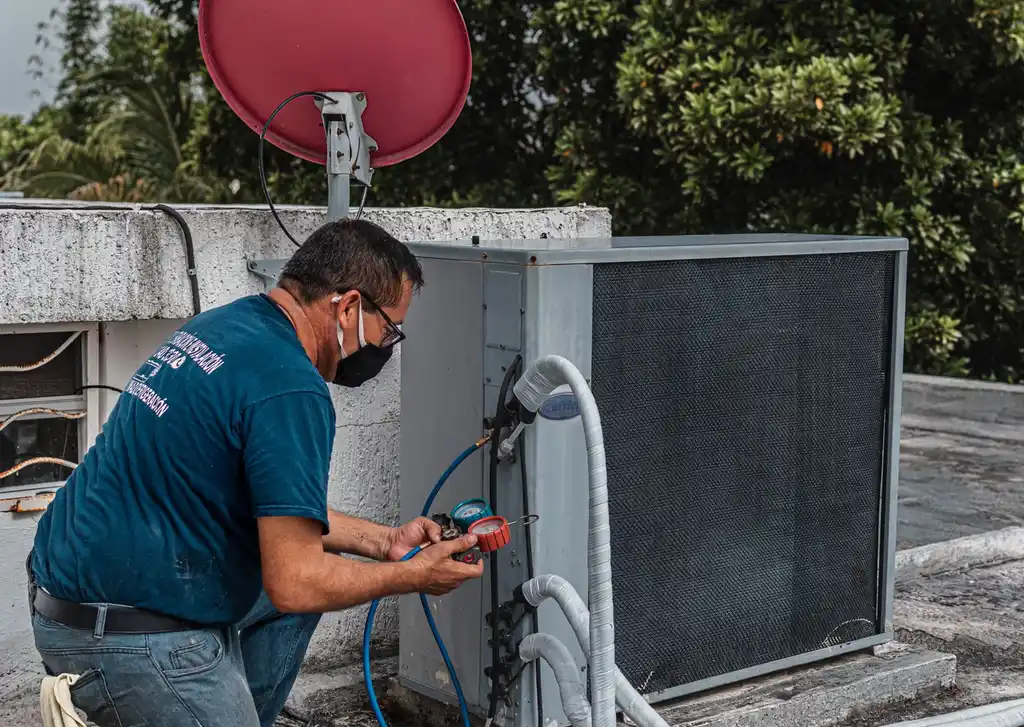
Work order
Water Heater Repair- Component testing: Elements, thermostats, thermocouples and gas valves are measured, not guessed, so the quote names the failed part.
- Part replacement: The failed component is swapped, the system refired, and outlet temperature checked at the nearest tap.
- Sediment flush: Where scale caused the fault, the tank is drained and flushed during the same visit to protect the new part.
- Condition report: You hear the tank's age, anode state and corrosion level plainly, with replacement pricing only if the wall fails.
Repairs for local businesses
Hot-water faults that cost trading hours get priority handling
Restaurants
Burner and recovery faults fixed around service times
Salons
Element failures swapped between appointment blocks
Rental homes
Tenant calls triaged with owner approval on price
What Heater Symptoms Usually Mean
A repair is only worth paying for when the failed part is proven and the tank around it is sound. Testing first is what separates a fix from a guess.
A tank that rumbles or pops is boiling water through sediment. Lukewarm water points to a failed element, broken dip tube or thermostat fault. Rust at the base is different: that is the tank wall itself, and no part swap fixes it.
Fort Bend County hard water accelerates nearly every repairable fault. Scale insulates elements until they burn out, coats tank bottoms until burners overheat them, and eats anode rods years early. Catching faults while they are still parts problems keeps a repair from becoming a replacement.
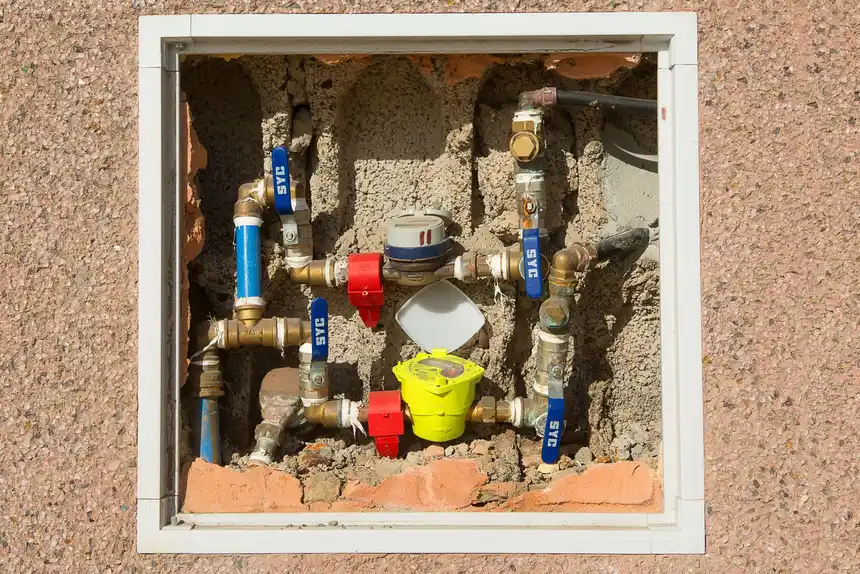
- What it is
- Diagnosis and part replacement for tank and tankless faults
- When it helps
- When heat, pressure or noise changes but the tank wall holds
- What you get
- A tested fix, a flush where needed, and a life estimate
How a Repair Visit Runs
You describe the symptom on the phone; the plumber arrives with likely parts and tests before quoting.
Diagnostic Tools on the Truck
Each method answers a different question. Together they leave very little to guess.
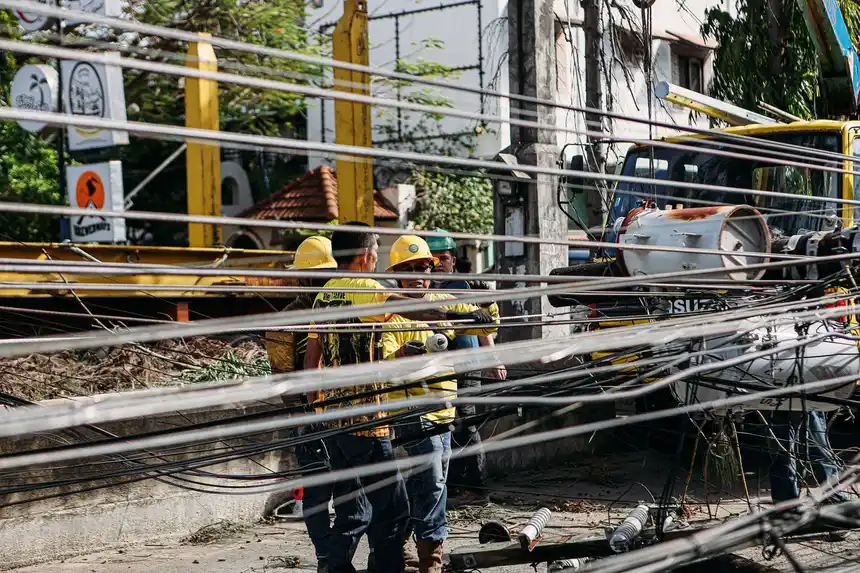
Measures thermocouple output to confirm pilot failures before parts are swapped.
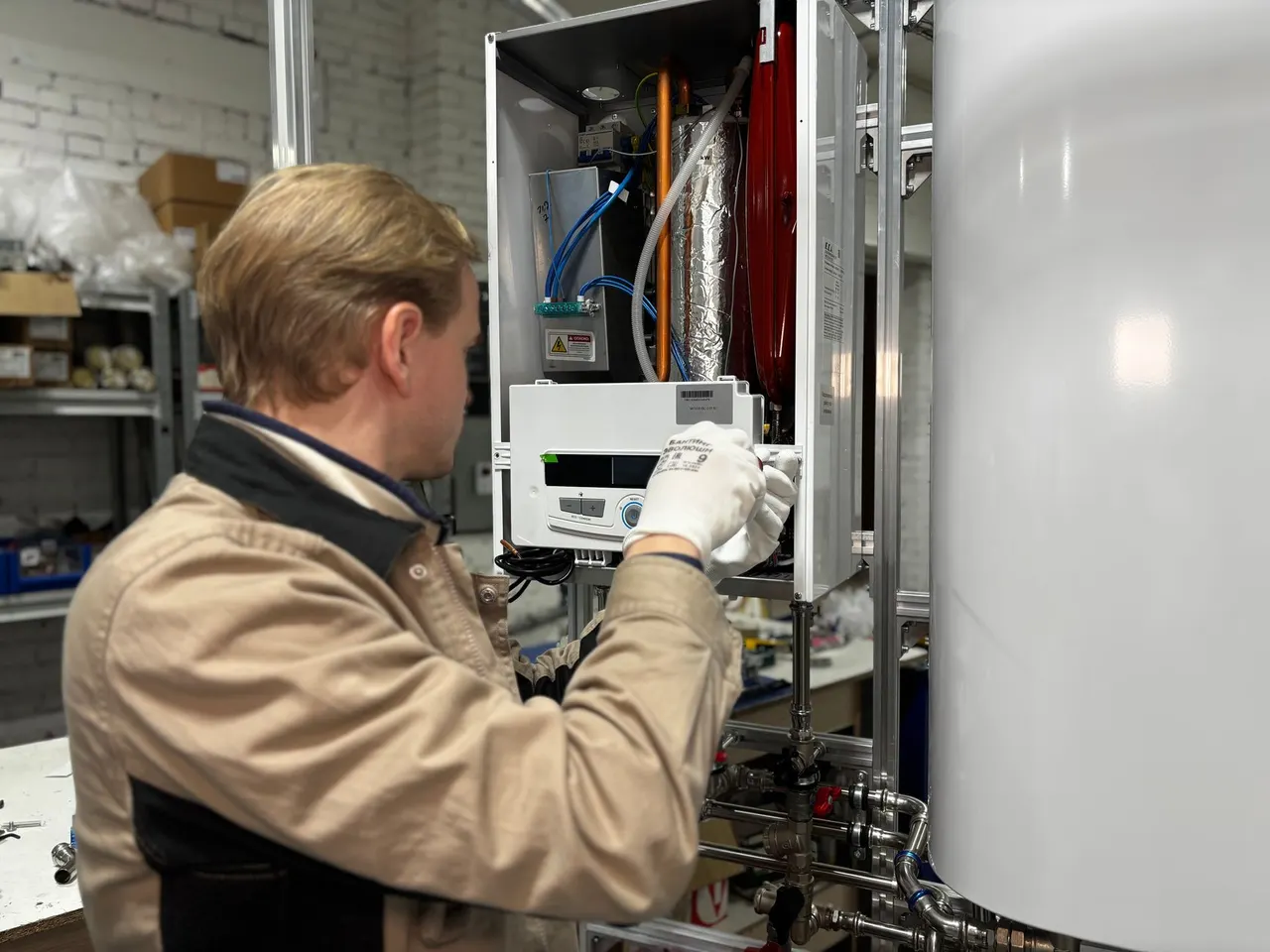
Circulates water to break up and expel sediment during a repair flush.

Checks household pressure when relief valves drip without overheating.
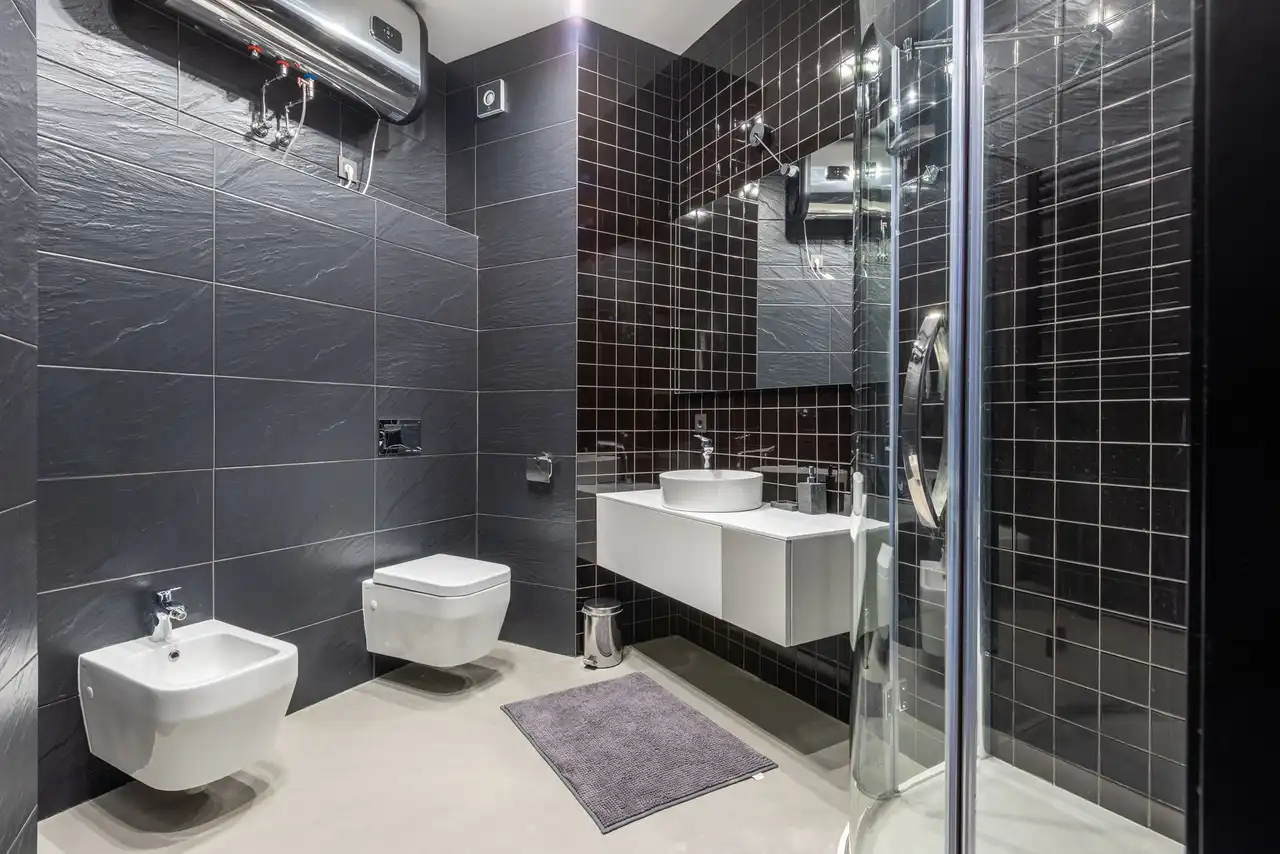
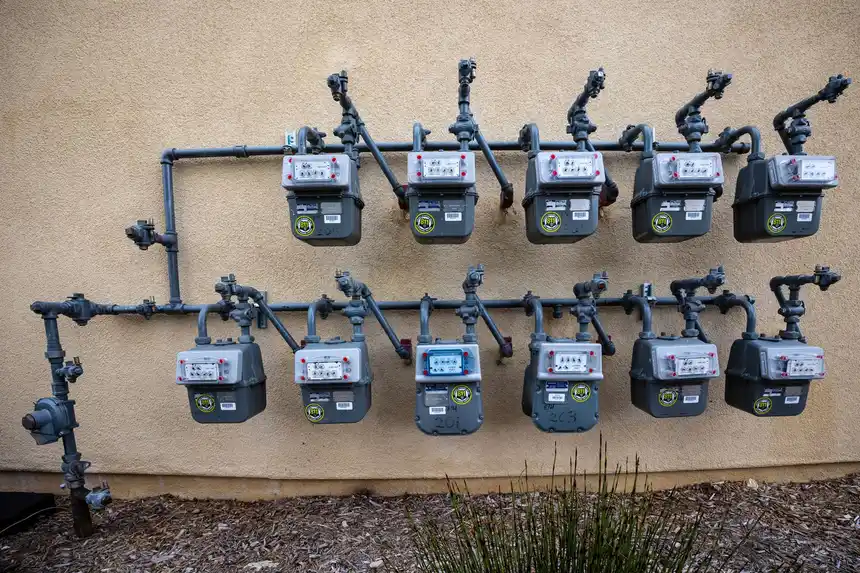
Every quoted part is confirmed failed by measurement, so good components are never replaced on suspicion.
Recent Repair Situations Explained
A Stafford home loses hot water the night before relatives arrive
Testing finds a burnt upper element; it is swapped and temperature verified within the visit.
HomesA Sienna tank pops loudly enough to hear through the garage door
The flush removes deep sediment; the nearly spent anode is replaced during the same drain-down.
HomesA Richmond attic tank drips steadily into its drain pan
Inspection shows base corrosion, not a valve fault, so replacement options are priced on the spot.
Homes
Repair Work in Fort Bend Conditions
Hard water shapes repair work here. Elements in Sugar Land and Katy tanks scale up and burn out years early, and anode rods in Rosenberg and Richmond can be gone by year four.
Sienna, Missouri City
Newer tanks on recirculation loops; faults often involve loop pumps and valves.
Old Richmond
Attic tanks with galvanized feeds; fitting corrosion is a frequent companion fault.
Greatwood, Sugar Land
Garage tanks nearing 10 years; anode checks decide repair-versus-replace.
- Sienna, Missouri City
- Old Richmond
- Greatwood, Sugar Land
From problem to finished result.
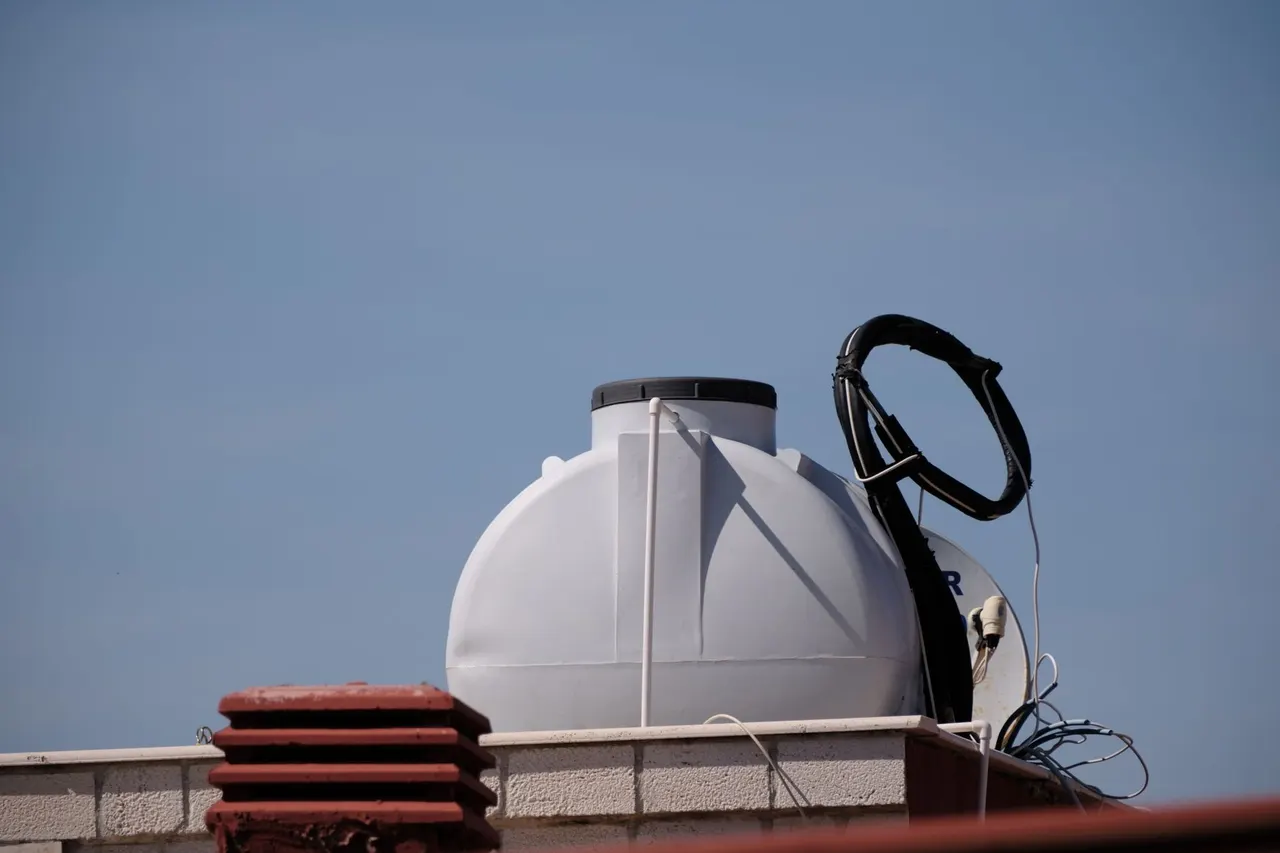
Slide to compare the photo with an illustrative inspection view. It is generated from the photo, not a measurement.
 Photo
Dead element, hot showers back
Before: An electric tank in Katy produced only a few warm minutes before running cold.
After: A failed lower element was replaced and the tank flushed; hot water now lasts through back-to-back showers.
Rumbling tank quieted
Before: A Sugar Land tank popped and rumbled through every heating cycle, audible in the kitchen.
After: A deep flush cleared the sediment; the burner now heats quietly with shorter cycles.
Pilot stays lit again
Before: A Richmond gas tank's pilot dropped out daily, leaving cold water by evening.
After: A weak thermocouple was replaced and the pilot assembly cleaned; the flame holds.
Symptoms This Service Fixes
Four faults account for most Fort Bend heater callouts; each names the test that confirms it.
No hot water at all, house-wide, since this morning
Electric tanks usually lost an element; gas tanks usually lost the pilot or thermocouple.
Rumbling, popping or kettle noises from the tank
Sediment forces the burner to overheat the tank bottom, wasting gas and stressing steel.
Water leaking around the base or relief valve
A dripping relief valve can mean excess pressure; a wet base usually means the wall has rusted. Pressure is measured and the source pinpointed.
Hot water smells of sulphur or tastes metallic
Anode reactions taint every hot tap, and the smell worsens as the rod depletes.
What a Correct Diagnosis Saves
Heater symptoms overlap, and guessing wrong replaces good parts. Testing first keeps repair bills honest.
Parts replaced once, correctly
Element resistance, thermocouple voltage and gas pressure are tested before parts are ordered, so the first replacement is right.
Hot water back the same visit
Elements, thermocouples, anode rods and relief valves travel on the truck, covering most callouts without a second trip.
A straight replace verdict
When the tank wall is rusting through, we say repair money is wasted and show replacement pricing.
Longer life from the fix
Repairs including a flush and anode check remove the sediment and corrosion that caused the failure.
Repair Pricing in 2026
Full table at /plumbing-cost/.
Included
Quoted after a first look
- Component testing
- Part replacement
- Sediment flush
- Condition report
What changes the scope
Quoted after a first look
- Which part failed
- Gas versus electric
- Sediment involvement
- Unit age and access
Fault-Finding, Not Parts-Guessing
Element resistance
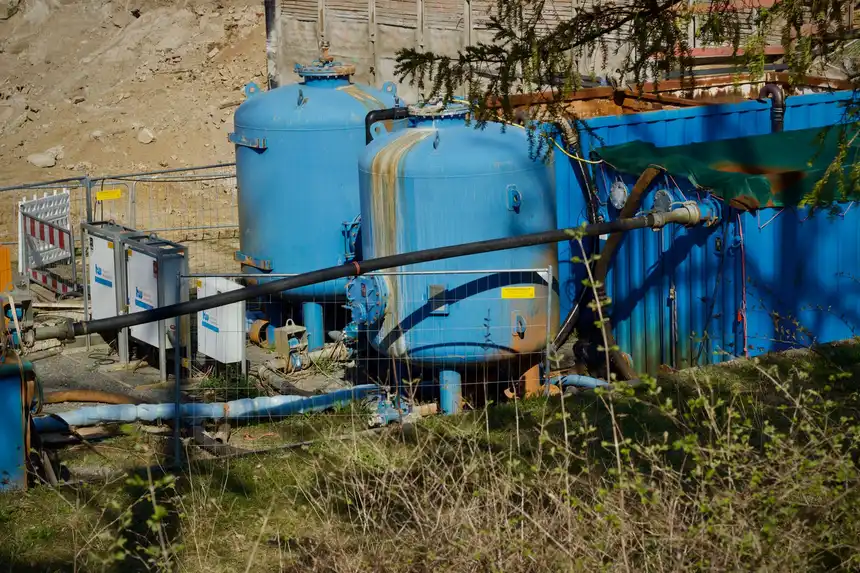
Measured with a multimeter; an open reading confirms a burnt element before it is replaced.
Thermocouple voltage
Read in millivolts at the gas valve; low output explains pilots that will not stay lit.
Sediment depth
Judged from drain-down flow and tank noise; it decides whether a flush joins the repair.
Frequently Asked Questions
Short answers for the first few minutes. The team can cover the rest.
Still have a question?
Describe what you are seeing and we will point you to the right next step.
(281) 555-0147Most repairs run $250 to $950 in 2026, depending on the part. Elements and thermocouples sit near the low end; gas valves cost more. Diagnostics run $95 to $175.
Sediment on the tank bottom traps water that boils through the layer, making the noise. A flush usually cures it; left alone, overheating shortens tank life.
Causes include a failed lower element, a cracked dip tube mixing cold into the outlet, or a faulty thermostat. Each tests differently, so measurement comes before quoting.
At 10 years, repair small faults like elements or thermocouples, but avoid major spend. If the tank leaks or rusts at the base, replacement at /water-heater-installation/ is the honest route.
Bacteria reacting with a magnesium anode usually cause the sulphur smell in hot water only. An aluminium-zinc anode swap plus a flush normally clears it.
Related Services
- Water Heater InstallationReplacement day covers draining and hauling the old tank, setting the new 40-50 gallon unit, reconnecting gas, water…
- Tankless Water HeatersEndless hot water and lower standby losses suit large families and the newer master-planned builds where tankless is…
- Gas Line RepairA rotten-egg smell, hissing near a fitting or a dead gas appliance means leave first and call from…
Talk to a Local Dispatcher
Calling beats forms here. When you ring (281) 555-0147, have your city, the fixture or line involved, and when the problem started ready, and a dispatcher will match you with a partner covering your street.