Reads flue gases on gas units to confirm efficient firing and safe venting.
Water Heater Types and Sizes That Fit Fort Bend Homes
Choosing between water heaters in Fort Bend County starts with two numbers: hot water used at your busiest hour, and what your hookups support. This page compares types, explains sizing, and shows 2026 ranges.
Serving Sugar Land and nearby areas.
How big is the heating job?
Larger household
High-demand homes needing bigger capacity or faster recovery
- 1. Single unit One tank or tankless unit serving a typical family home
- 2. Larger household High-demand homes needing bigger capacity or faster recovery
- 3. Whole system change Fuel switch or type conversion planned in writing first
Drag the needle to compareTouch and drag the needle
- 19Services from one local team
- 6Areas served around Sugar Land
- Sized firstDemand measured before any unit is quoted
- Hookups checkedGas, vent and drain inspected on site
What a Heater Consultation Covers
A sizing and options visit: demand measured, hookups inspected, each viable type priced for comparison.
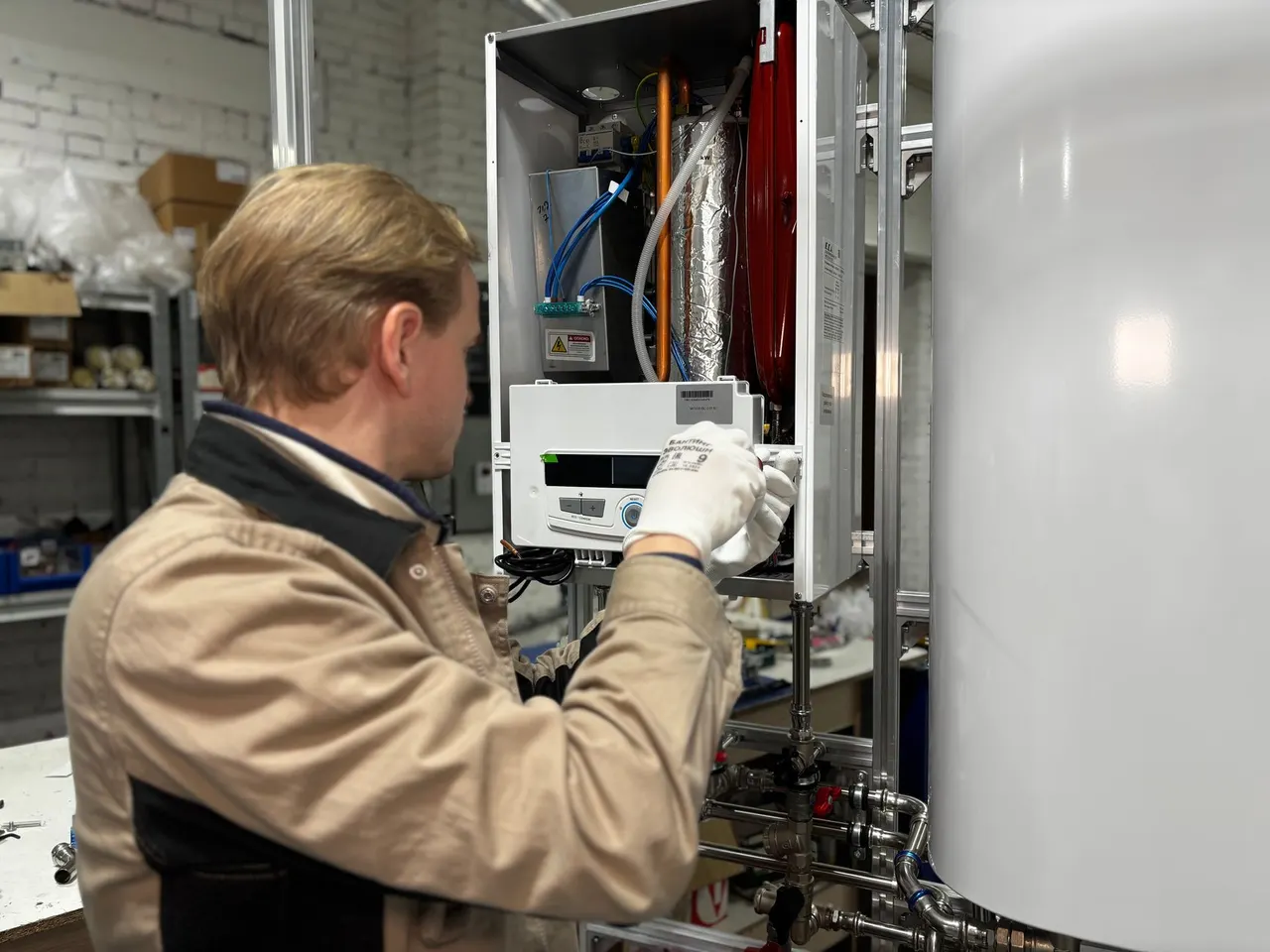
Work order
Water Heaters- Demand and sizing check: Bathrooms, occupants and simultaneous use become a capacity target that sets the shortlist, not the old label.
- Hookup inspection: Gas diameter, vent route, breaker capacity and drain placement are photographed and checked before pricing.
- Written option pricing: Each option is priced as a full installed figure, with venting changes and haul-away itemised separately.
- Hard-water plan: A flushing and anode schedule matched to county hardness, plus a softener quote where scale is advanced.
How Water Heaters in Fort Bend County Differ
A water heater is a ten-year decision made in one afternoon. Sizing it from real demand, and checking hookups before pricing, is how that decision holds up.
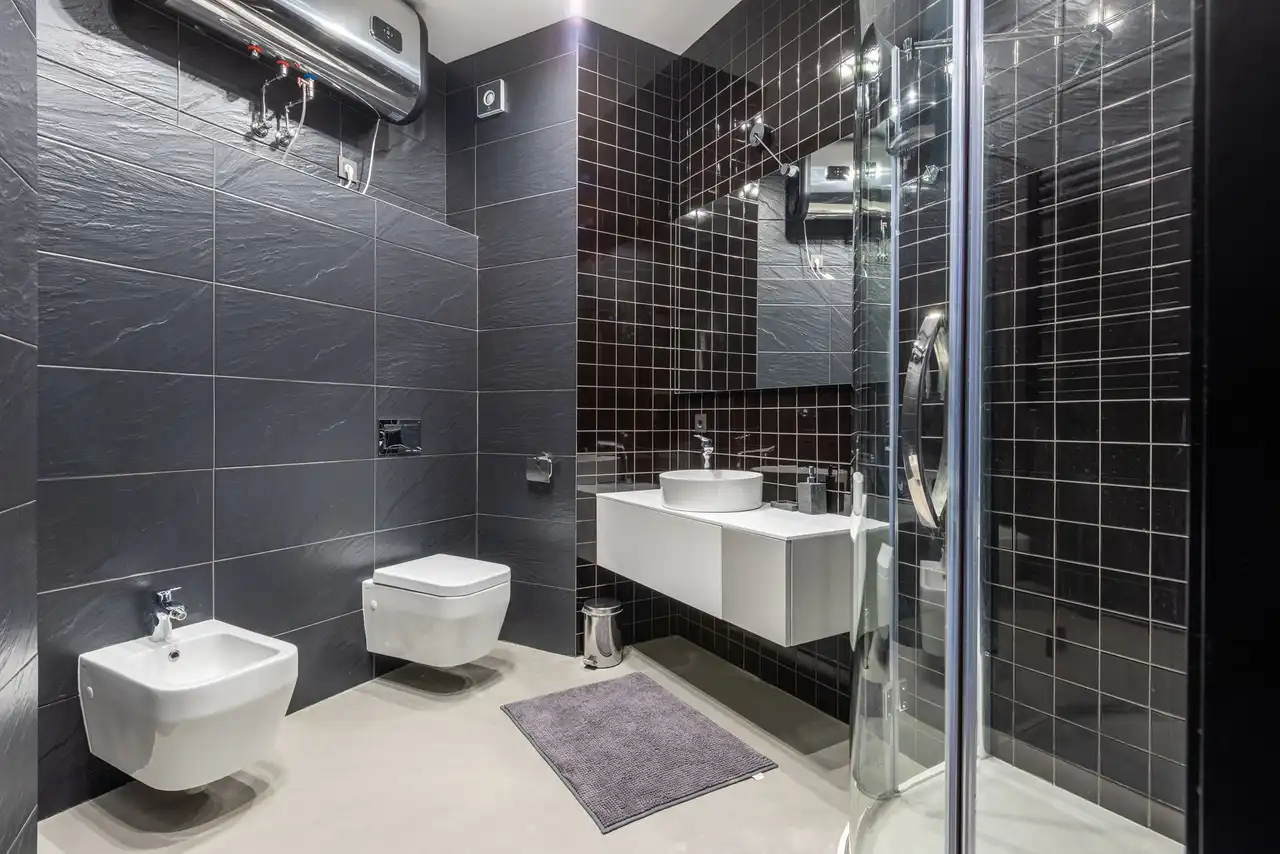
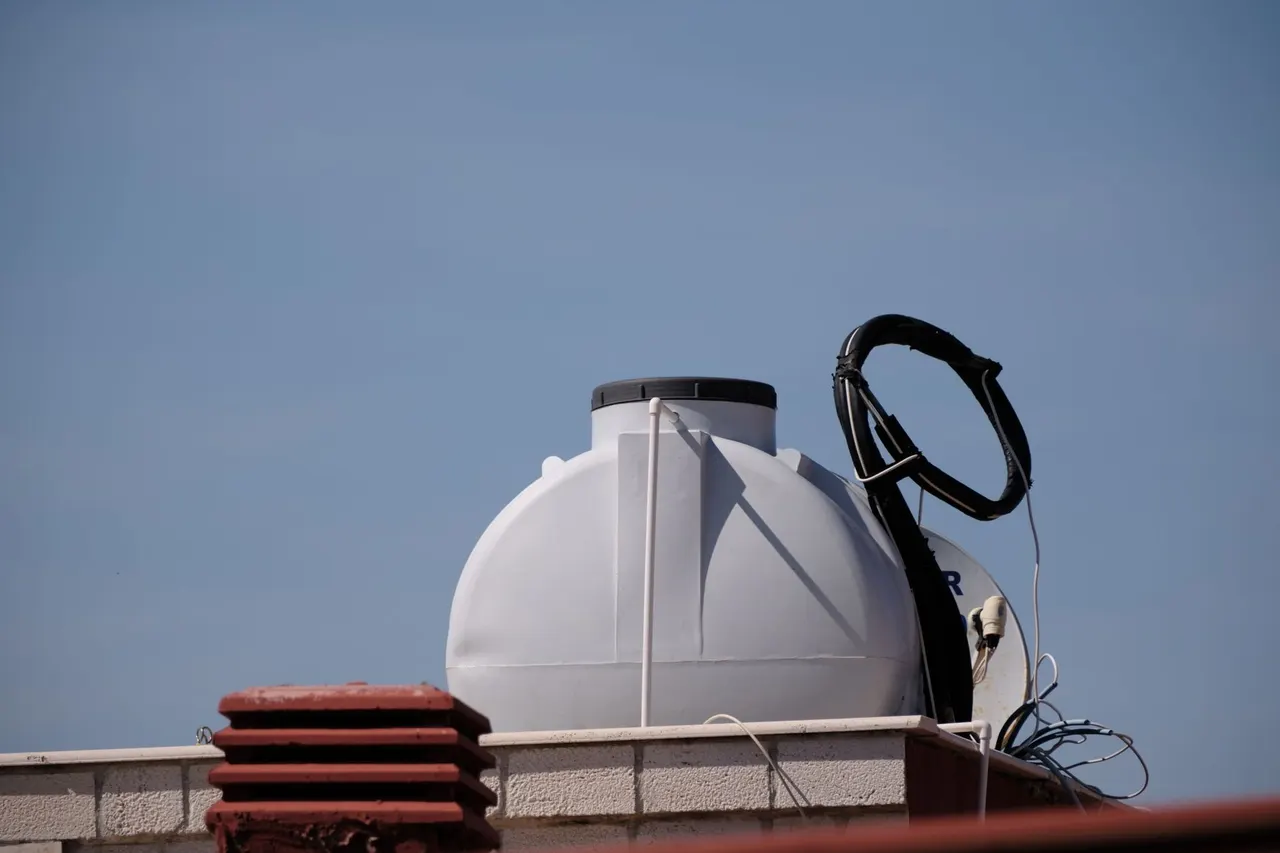
A storage tank holds 30 to 75 gallons ready to use; a tankless model heats water only as it flows through. Gas tanks recover fastest, electric tanks cost less upfront, and hybrid models pull warmth from garage air. Hookups decide as much as budget.
Fort Bend County water runs hard, roughly 10 or more grains per gallon. Scale coats tank elements and tankless exchangers, shortening life when units go unflushed. Garage and attic installs each limit which types fit safely.
- What it is
- A comparison of tank, tankless and hybrid units for your home
- When it helps
- Before replacement, remodels or a growing household strains supply
- What you get
- A sized recommendation with installed pricing for each option
How Choosing a Heater Works
Five steps turn a confusing catalogue into one recommendation sized to your household and connections.
Tools and Sizing Methods Used
Each method answers a different question. Together they leave very little to guess.

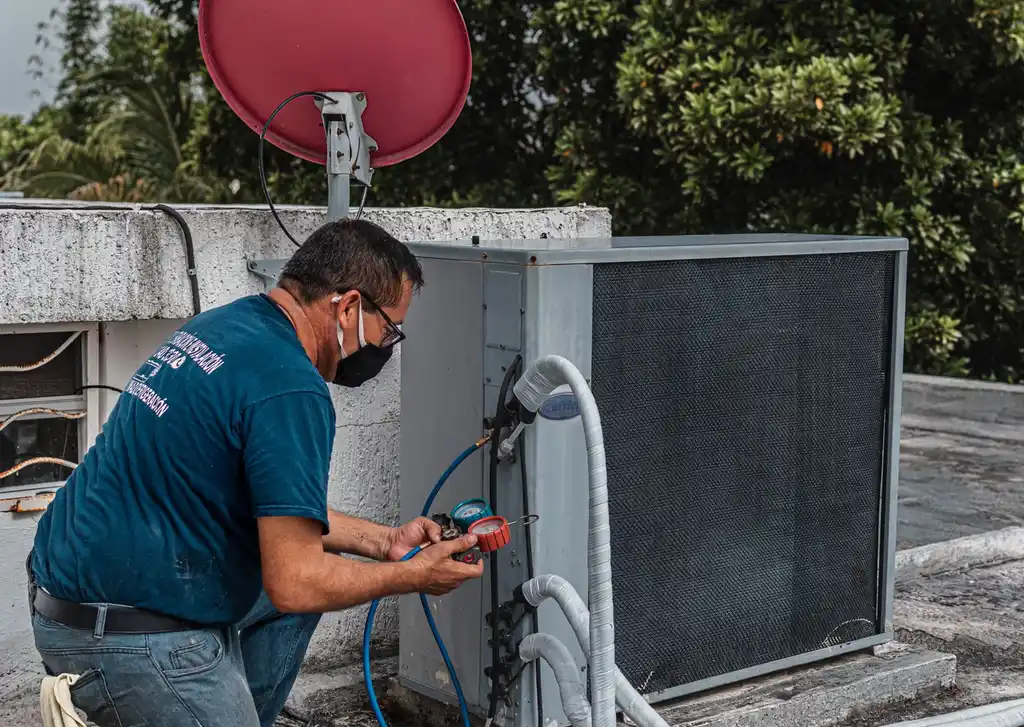
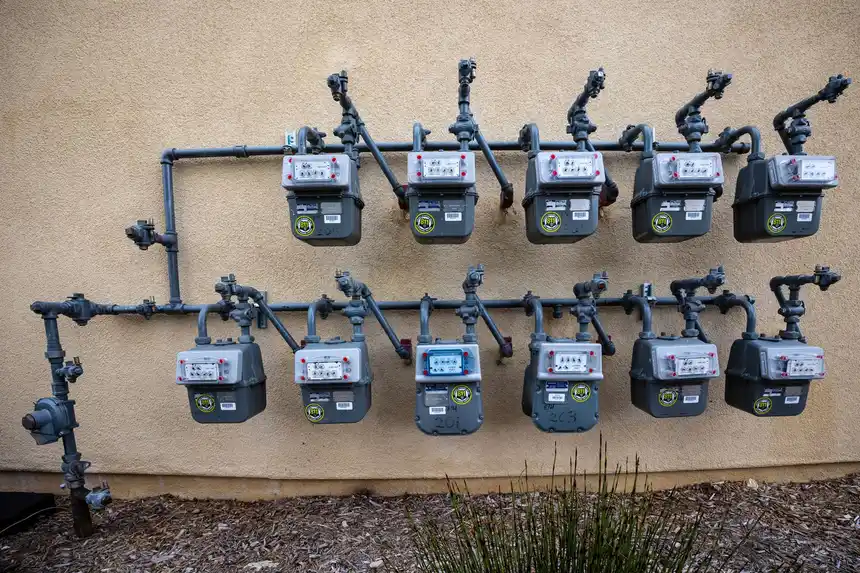
Measures gas pressure so tankless options are quoted only when supply can feed them.
Checks element draw on electric tanks to spot a dying element early.
Verifies outlet temperature against the thermostat setting during testing.
Tank options match gallons drawn in your busiest hour, using fixtures and habits.
When Homeowners Compare Heater Types
A Cinco Ranch family of five runs out of hot water each school morning
Demand logging shows a low first-hour rating; quotes cover a high-recovery 50-gallon tank and tankless.
HomesA First Colony homeowner wants garage space back and lower gas bills
Hookups are checked for a wall-hung conversion, including gas capacity and condensate route.
HomesA Rosenberg rental has a 14-year-old attic tank above finished ceilings
Age plus attic placement makes failure risky, so a proactive swap with pan and alarm is priced.
Homes
How Heater Choices Play Out Locally
Master-planned builds in Sugar Land, Katy and Fulshear ship with tankless units or garage tanks, while older Richmond, Rosenberg and Stafford stock runs attic tanks on older gas lines. Hard water punishes both: scale blankets tank bottoms until they rumble and chokes exchangers until sensors trip.
First Colony, Sugar Land
Garage tanks dominate; original 40-gallon choices often undershoot current demand.
Cinco Ranch, Katy
Three-plus bathrooms push homes toward high-recovery tanks or tankless.
Historic Richmond
Attic tanks pair with galvanized lines, so pipe condition enters quotes.
- First Colony, Sugar Land
- Cinco Ranch, Katy
- Historic Richmond
From problem to finished result.
Slide to compare the photo with an illustrative inspection view. It is generated from the photo, not a measurement.
 Photo
Undersized tank replaced
Before: A 40-gallon tank served five people and two morning showers, running cold by 7 a.m.
After: A 50-gallon high-recovery model covers the full morning overlap without temperature complaints.
Garage tank to tankless
Before: A floor-standing tank kept 50 gallons hot all day for two people.
After: A wall-hung tankless unit heats only during use and frees the garage corner.
Attic tank made safer
Before: A 13-year-old attic tank had no pan alarm and early base rust over a living room.
After: The planned swap added a drain pan, audible alarm and fresh shutoffs.
Heater Problems This Page Helps You Solve
Most heater calls fall into a few patterns; naming yours points to repair, replacement or a type change.
Showers turn cold when a second tap opens anywhere
Undersized units and failing dip tubes both cause it; the wrong fix wastes a replacement budget. Recovery and first-hour output are tested against peak demand.
Energy bills climb while hot water runs out faster
Sediment insulating the burner makes the unit fire longer for less output every month. A flush and anode check come first.
Rust-coloured water appears only from hot taps
A spent anode or corroding tank wall sheds rust into hot lines and stains fixtures. The visit confirms anode versus tank-wall failure.
A new-build home needs its first heater decision
Builder units are chosen to a price point and often undershoot a growing family's demand.
What the Right Size Delivers
Correct sizing ends cold showers mid-rinse and bills that pay to keep unused water hot.
Hot water at peak hour
A correctly sized unit covers showers, laundry and dishwashing overlapping in the morning without temperature dips.
Lower standby losses
Tanks lose heat through their walls all day. A smaller insulated tank, or a tankless model, trims that wasted energy.
Space back in tight installs
A wall-hung tankless unit frees the garage floor space a 50-gallon tank occupies and removes its leak volume.
Planned, not emergency, replacement
Tanks serve 8 to 12 years locally; tankless units reach 15 to 20 with descaling. Knowing the age avoids premiums.
What Heaters Cost in 2026
Full breakdown at /plumbing-cost/.
Included
Quoted after a first look
- Demand and sizing check
- Hookup inspection
- Written option pricing
- Hard-water plan
What changes the scope
Quoted after a first look
- Type and capacity
- Fuel source changes
- Venting and gas-line work
- Install location
Sizing and Fuel-Source Know-How
First-hour rating
Read from the label and your usage; it shows hot water delivered in the busiest hour.
Gas pressure
Checked with a manometer at the supply line; low pressure rules out larger burners.
Water hardness
Tested from a cold tap; the grain count sets flushing intervals and softener advice.
Frequently Asked Questions
Short answers for the first few minutes. The team can cover the rest.
Still have a question?
Describe what you are seeing and we will point you to the right next step.
(281) 555-0147Most four-person Fort Bend homes run well on a 50-gallon tank with a first-hour rating near 70 gallons, or a tankless unit delivering 7 to 8 gallons per minute.
A 40 to 50 gallon tank installed runs $1,900 to $3,800 in typical 2026 pricing. Tankless installation runs $3,800 to $6,500 including the unit. Venting changes can move either figure.
Tankless suits spread-out demand and tight space; a tank costs less upfront and handles big simultaneous draws. Our comparison at /blog/tankless-vs-tank-water-heaters-for-texas-homes/ covers both.
Tanks typically last 8 to 12 years here, shortened by scale when undrained. Tankless units often reach 15 to 20 years with annual flushing.
Yes, when gas line, venting and condensate drain can support it; all three are checked before quoting. Conversion details and pricing live at /tankless-water-heaters/.
Related Services
- Water Heater RepairNo hot water, rusty water, popping sounds or a puddle under the tank each point at a different…
- Water Heater InstallationReplacement day covers draining and hauling the old tank, setting the new 40-50 gallon unit, reconnecting gas, water…
- Tankless Water HeatersEndless hot water and lower standby losses suit large families and the newer master-planned builds where tankless is…
Talk to a Local Dispatcher
Calling beats forms here. When you ring (281) 555-0147, have your city, the fixture or line involved, and when the problem started ready, and a dispatcher will match you with a partner covering your street.